

Orthodontic Emergencies: Exactly What to Do (and When You Need Immediate Help)
Revisado por Dr. Dennis Rollins, DDO |
Julio de 2025 - 6 min Leer
Reviewed By Dr. Dennis Rollins, DDO | Julio 2025 - 6 min Read
Why Knowing What’s an Emergency Matters
Orthodontic appliances are tough but not indestructible. Wires can bend, brackets can pop loose, and aligners can crack. Some issues are harmless inconveniences; others can cut the inside of cheeks, shift teeth, or signal a deeper injury. Understanding which is which helps you act fast, avoid unnecessary panic, and protect your treatment progress.
- Minor orthodontic emergencies: Usually involve discomfort or appliance issues (loose wires, broken brackets)
- Major dental emergencies: Heavy bleeding, swelling, or trauma to teeth or jaw require urgent medical or dental care.
Your first goal is to relieve pain safely. Your second goal is to schedule a professional repair. Dentistry.com can help you find a nearby dentist or orthodontist who can fix the issue for good.
Emergency Triage: When to Seek Help
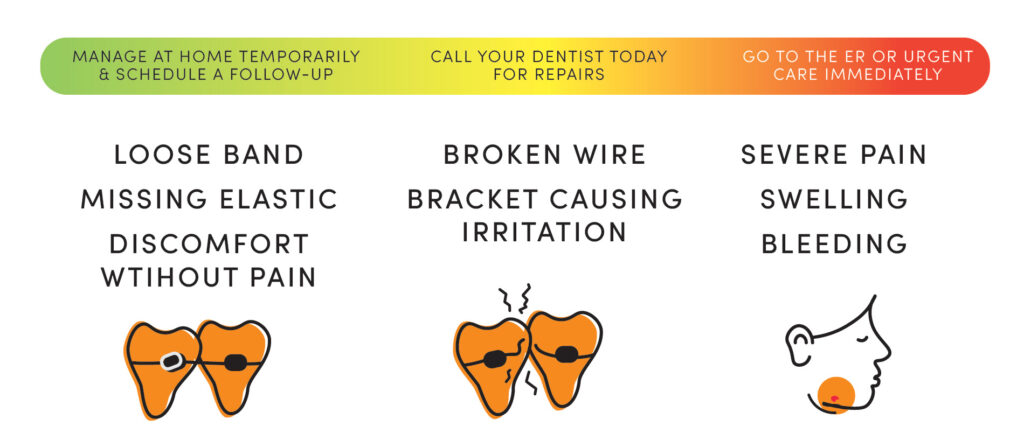
Use this simple decision guide to determine what to do next:
- Severe pain, swelling, or bleeding: Go to the emergency room or urgent care immediately. These symptoms may indicate infection or trauma beyond the braces.
- Broken wire or bracket causing irritation: Call your dentist or orthodontist today for repair. In the meantime, cover sharp edges with orthodontic wax or a small piece of sugar-free gum.
- Loose band, missing elastic, or discomfort without pain: Manage at home temporarily. Follow the recommended fixes below and schedule a follow-up during your dentist’s office hours.
If you’re unsure which applies, err on the side of caution and call your dentist, or find a dentist near you by entering your zip code aquí.
Common Orthodontic Emergencies and Quick Fixes
Poking or Loose Wire
- Try pushing the wire flat against your tooth with a clean pencil eraser.
- Cover the tip with orthodontic wax or a small cotton ball until your appointment.
- If it’s very sharp, trim the end carefully with sanitized nail clippers, but only as a last resort.
Loose Bracket or Band
- If it’s still attached to the wire, leave it in place and cover with wax to prevent irritation.
- If it’s detached, save the piece in a small plastic bag and bring it to your next visit.
- Avoid chewy foods that could worsen the damage.
Mouth Pain or Soreness
- Rinse gently with warm saltwater (½ teaspoon salt in 1 cup of water).
- Use over-the-counter pain relievers as directed for swelling or soreness.
- Stick to soft foods like mashed potatoes, yogurt, or smoothies until discomfort improves.
Broken or Lost Aligner (Invisalign)
- Move back to your previous set of trays to maintain alignment until a replacement arrives.
- If the lost aligner was your last set, contact your dentist immediately to avoid tooth movement.
- Never try to “fix” a cracked tray with glue: it can be toxic and distort your bite.
Swallowed or Missing Appliance Piece
- Don’t panic. In most cases, it will pass naturally without harm.
- If you experience choking, coughing, or breathing difficulty, go to the ER immediately.
When It’s Time for Professional Care
Most orthodontic problems can be managed at home, but only temporarily. Even small issues, like a bent wire or a missing elastic, can throw off your treatment if ignored. Once you’ve stabilized the problem, your next step should be to schedule a repair.
Preventing Future Emergencies
While accidents happen, many orthodontic emergencies can be avoided:
- Avoid sticky or hard foods (caramel, popcorn, nuts, ice).
- Wear a mouthguard during sports to protect against impact.
- Brush and floss carefully around brackets and wires to prevent irritation or infection.
- Keep orthodontic wax and a small dental repair kit on hand at home.
Quick Checklist
- For pain or swelling: Use a saltwater rinse or pain reliever.
- For sharp wires: Flatten or cover with wax.
- For broken brackets: Stabilize and save the piece.
- For lost aligners: Revert to the previous tray.
- For serious injury or infection: Go to the ER or call a dentist immediately.
Find a Local Dentist or Orthodontist
Knowing what to do in the moment—and who to call next—can make all the difference in your comfort and your treatment success. For peace of mind and lasting relief, connect with a nearby professional by entering your zip code aquí, or calling (888) 597-3896 to get expert guidance today.
Need Help Finding a Dentist or Orthodontist?
Información relacionada

¿Cuánto cuesta una visita al dentista sin seguro? Costes exactos
A continuación encontrará un desglose de los gastos de bolsillo típicos de los procedimientos dentales más comunes, junto con las razones que los justifican. Tenga en cuenta que estos costes pueden variar significativamente en función de su ubicación, la experiencia del dentista, los materiales utilizados y la complejidad del procedimiento.
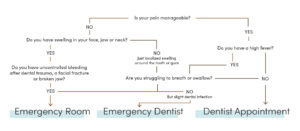
¿Debe acudir a urgencias por dolor de muelas? Guía rápida
La conveniencia de acudir a urgencias por dolor de muelas depende de la gravedad del dolor y de los demás síntomas que experimentes. Sigue leyendo y te ayudaremos a decidir cómo aliviarte.
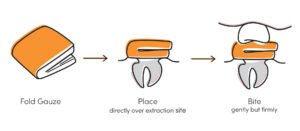
Cómo detener el sangrado después de la extracción del diente: Consejos fáciles para un alivio inmediato
Tras la extracción de un diente, es normal que se produzca una hemorragia en la zona, que suele remitir en 2-3 horas. Durante las primeras 24 horas suele seguir supurando suavemente (saliva rosada). A continuación encontrarás consejos para ayudar a detener la hemorragia y cómo diferenciar entre una recuperación normal y los signos que indican que debes llamar a tu dentista.