

Sudden Sharp Tooth Pain That Goes Away: Causes, Risks, and Next Steps
Reviewed By Dr. Dennis Rollins, DDO |
July 2025 • 6 min Read
Reviewed By Dr. Dennis Rollins, DDO | July 2025 • 6 min Read
Intense, temporary tooth pain is an indication of a problem that will likely require a visit to a dentist.
Pain that flares up for no apparent reason and then disappears could signal a dead or dying nerve due to infection. While this requires prompt attention, the good news is that a dentist can help solve the problem.
What to Do If You Experience Sharp Tooth Pain That Disappears
- Don’t assume the problem is solved: Even though the pain has stopped, it’s still a warning sign that calls for action.
- Make a dentist appointment: Don’t delay care. It’s best to be cautious and schedule an appointment to determine the cause of the pain. For help finding a dentist in your area, click here or call us at (888) 597-3896.
- Avoid pain triggers: Steer clear of very hot, cold, sweet, or acidic foods, as well as anything else that causes pain.
- Practice gentle oral care: Use a soft-bristled toothbrush and avoid aggressive brushing near sensitive areas.
- Monitor for changes: Watch for swelling, discoloration, or pain that becomes constant.
Common Causes at a Glance
| Type of Pain | Duration | Common Causes |
|---|---|---|
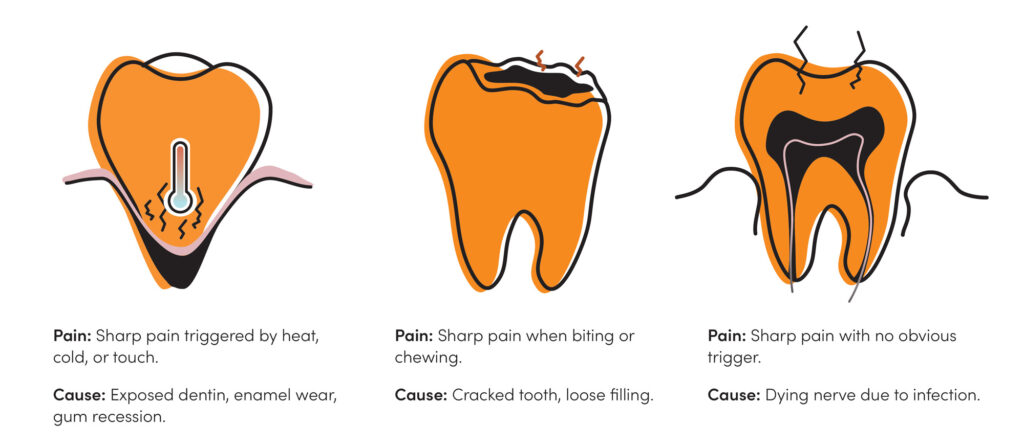
| Sharp pain triggered by heat, cold, pressure, or touch. | Stops once trigger is removed. | Exposed dentin, enamel wear, gum recession. |
| Sharp pain when biting or chewing. | Stops once trigger is removed. | Cracked tooth, loose filling. |
| Sharp pain with no obvious trigger. | Stops suddenly. | Dying nerve due to infection. |
| Duration | Common Causes |
|---|---|
| Sharp pain triggered by heat, cold, pressure, or touch. | |
| Stops once trigger is removed. | Exposed dentin, enamel wear, gum recession. |
| Sharp pain when biting or chewing. | |
| Stops once trigger is removed. | Cracked tooth, loose filling. |
| Sharp pain with no obvious trigger. | |
| Stops suddenly. | Dying nerve due to infection. |
While all these issues call for a visit to a dentist, a dying nerve should be considered a dental emergency. Once the nerve dies, the tooth will often feel no pain at all. While this brings relief, the infection can continue silently, leading to serious issues, such as an abscess or bone infection.
This is cause for urgency but not panic. The technical term for this issue is pulp necrosis, and dentists successfully deal with it all the time.
What to Expect at the Dentist If You Have a Dead or Dying Tooth Nerve
The dentist’s goals will be to remove dead tissue, stop or prevent infection, and preserve the tooth. Here’s what usually happens:
1. Diagnosis
The dentist will check for discoloration, swelling, or tenderness. They’ll perform X-rays to see if infection has reached the root or surrounding bone, and pulp vitality tests to confirm if the nerve has died.
2. Treatment
A root canal is the most common treatment.
- The dentist removes the dead or infected pulp from inside the tooth.
- The root canals are cleaned, disinfected, and shaped.
- The tooth is filled and sealed with a biocompatible material.
- Usually, a crown is put in place to restore strength and function.
If the tooth cannot be safely saved, it may need to be removed. This solution is less common. Replacement options include dental implants, bridges, or partial dentures.
3. Aftercare
- Temporary pain or tenderness may occur but can usually be managed with over-the-counter pain medication.
- Good oral hygiene and regular dental checkups will be critical to prevent further issues.
Don’t Let Anxiety Delay Treatment
Dental anxiety is common and can be intense when anticipating a more extensive procedure. That said, ignoring your body’s warning signs can make the issue worse, leading to more involved and costly procedures down the road.
When you call to make your appointment, let the dental team know if you experience dental anxiety. Trust that you won’t be the first or last to do so. The team will then be able to tell you about sedation options and discuss other ways to help you feel more at ease during your visit.
It can also help to set the appointment early in the morning, so that you don’t have to spend the day worrying about it. Consider bringing a friend or family member for emotional support. During your appointment, practice slow, deep breathing to signal to your body that you’re safe. Focus on the relief you’ll feel when treatment is done and the problem is solved.
Need Help Caring for Tooth Pain?
Related Information

How Much Is a Dentist Visit Without Insurance? Exact Costs Explained
Below, you’ll find a breakdown of typical out-of-pocket costs for common dental procedures, along with the reasons behind these costs. Keep in mind that these costs can vary significantly based on your location, the dentist’s experience, the materials used, and the complexity of the procedure.
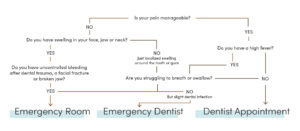
Should You Go to the ER for Tooth Pain? A Quick Guide
Whether you should go to the ER for tooth pain depends on the severity of your pain and what other symptoms you’re experiencing. Read on for help deciding how to find relief.
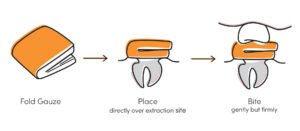
How to Stop Bleeding After Tooth Extraction: Easy Tips for Immediate Relief
After a tooth extraction, some bleeding at the site is normal and will usually slow down within 2-3 hours. Gentle oozing (think pink saliva) will often continue for the first 24 hours. Below you’ll find tips for helping to stop the bleeding, and how to tell the difference between normal recovery and signs that you should call your dentist.