loader image

Dentistry

Tooth Abscess Pain Relief: Fast and Effective Solutions at Home

Doctor Profile Image

Reviewed By Dr. Dennis Rollins, DDO | 


July 2025 • 6 min Read

Reviewed By Dr. Dennis Rollins, DDO | 
July 2025 • 6 min Read

There are many simple ways to help ease the pain from a tooth abscess until you can see a dentist. Keep in mind that a tooth abscess will not resolve on its own, and it’s important to get prompt treatment to stop the problem from getting worse.  

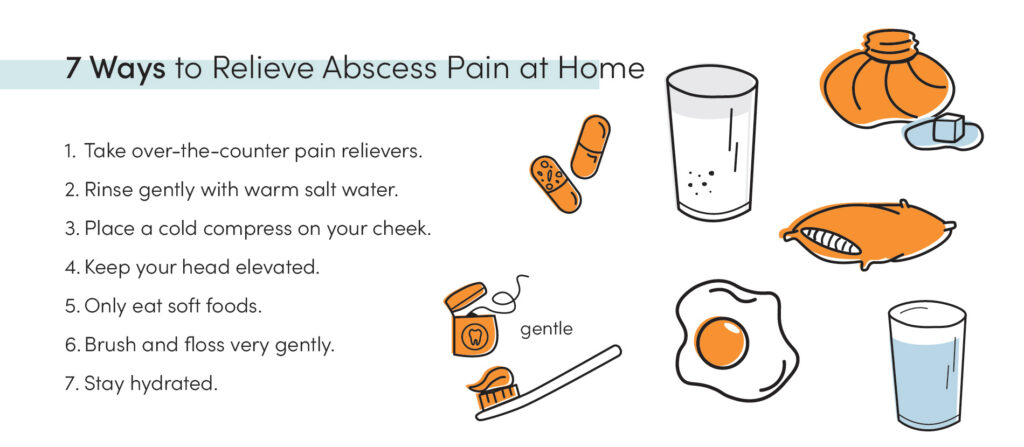
7 Ways to Relieve Pain at Home

  1. Take over-the-counter pain relievers, like ibuprofen or acetaminophen, according to product instructions, if they’re safe for you. 
  2. Rinse the affected area with a cup of warm water containing half a teaspoon of salt. Swish gently for 30 seconds, then spit out the water. You can do this 3-4 times a day. This helps reduce irritation and draw fluid out of the gums, relieving pressure. 
  3. Place a cold pack or bag of ice wrapped in a cloth on your cheek for 15 minutes at a time. Take at least 15 minutes between compresses. This helps reduce swelling and numb pain.  
  4. Keep your head elevated to minimize pressure on the affected area. If you lie down, use an extra pillow to keep your head above your heart.  
  5. Only eat soft foods, like yogurt, eggs, soup, and mashed potatoes.  
  6. Brush and floss very gently around the affected area to remove any food debris that may worsen the pain. Be careful not to irritate your gums. 
  7. Drink lots of (room temperature) water. Staying hydrated helps your body fight infection and prevents dry mouth, which can intensify pain. 
Infographic showing 7 ways to relieve dental abscess pain at home, including saltwater rinse, cold compress, soft foods, and hydration

8 Things NOT to Do

  1. Don’t try to drain the abscess yourself. Irritating the area can introduce more bacteria, cause bleeding, and even spread the infection.  
  2. Don’t place Aspirin directly on the affected tooth, since this can make pain worse and burn your gums. 
  3. Don’t place heat on your cheek. Warm compresses increase blood flow, which can worsen the infection. 
  4. Don’t eat or drink very hot, very cold, or sugary foods, since they can trigger pain. 
  5. Don’t take leftover antibiotics, since this can make bacteria more resistant to treatment.  
  6. Don’t use alcohol mouth rinses or strong essential oils, which can cause irritation and intensify pain.   
  7. Don’t smoke or vape, since this can accelerate bacterial growth.  
  8. Don’t delay treatment, even if pain improves. Sometimes, pain from an abscess can decrease if the infection ruptures or the nerve dies. This does not mean the infection is gone. Seeing a dentist is still vital.   

When to Seek Urgent Care

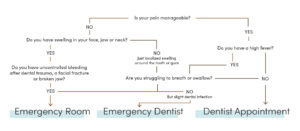
Signs that you should go to an emergency room or urgent care clinic include: 

  • Difficulty breathing or swallowing
  • Fever
  • Rapid swelling of the face or jaw
  • A foul taste and sudden decrease in pressure

Emergency providers see dental infections oftenThey’ll be able to help control the pain, start antibiotics if needed, and make sure the swelling isn’t affecting your airway. In short, they’ll keep you safe and as comfortable as possible until you can see a dentist.  

How to Make an Appointment With a Dentist

For help quickly getting on the phone with a local dentist office equipped to treat abscesses, click here or call us at (888) 597-3896 

When you talk to a member of the dental team, you can start with something clear and concise, like: 

“Hi, I’m dealing with pain from what seems to be a tooth abscess, and I need an appointment today if possible.” 

If you’re experiencing severe pain, swelling, fever, chills, or difficulty breathing or swallowing, let them know right away.  

They might ask a few questions about your symptoms, such as how long they’ve been present, if they come and go, and if they’ve gotten worse. They might also ask if you have any allergies or medical conditions, if you’re currently taking any medications, and about your dental history.  

All this is to help the dental team better prepare to care for you.  

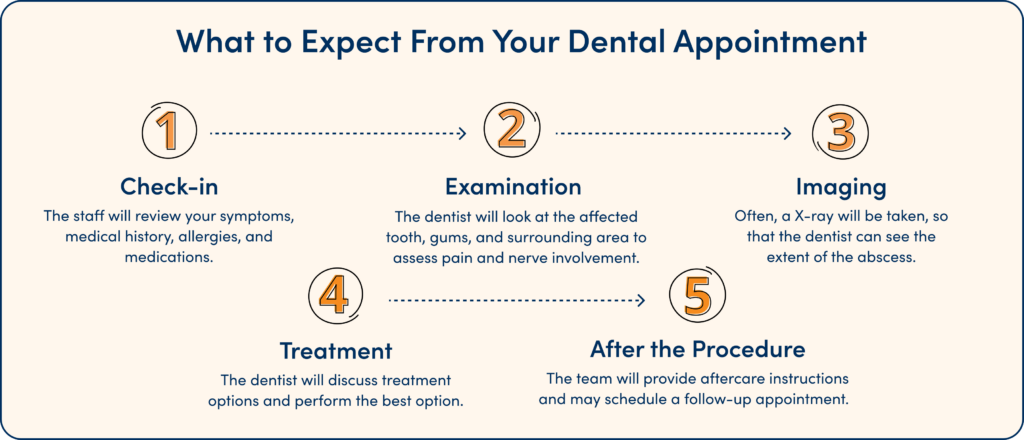
What to Expect From Your Dental Appointment

Here’s how a dental appointment usually goes when you have a tooth abscess. 

1. Check-in 

The staff will briefly review your symptoms, medical history, any allergies you have, and any medications you’re currently taking.

2. Examination

The dentist will look at the affected tooth, gums, and surrounding area. They may gently tap or press the tooth to assess pain level and nerve involvement. They may also check facial swelling and nearby lymph nodes.

3. Imaging

Often, a dental X-ray is taken so the dentist can see the extent of the abscess and check whether it has reached bone or other tissues.

4. Treatment

If there’s pus accumulated, the dentist may drain the abscess to relieve pressure. This may involve a small incision in the gum or opening the tooth. You may feel pressure or mild discomfort, but local anesthesia will be used to prevent pain. 

If the tooth can be saved, the dentist will perform a root canal, removing the infected tissue and then sealing the tooth. You may feel some pressure or mild tugging, but the area will be numbed, so you should not feel sharp pain. 

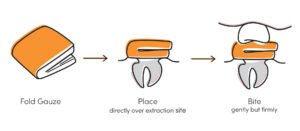
If the tooth is too damaged to save, the dentist will extract it. Local anesthesia will ensure you don’t feel sharp pain, although you may feel pressure or pulling. Some soreness or swelling is normal for a few days afterward. Your dentist will discuss options for replacing the tooth, such as a dental implant, bridge, or partial denture.

5. After the Procedure

Antibiotics and pain relief medications may be prescribed. The team will provide aftercare instructions, covering things like pain management, oral hygiene, diet, signs of normal healing, and symptoms that may need to be addressed. They may also schedule a follow-up appointment.   

Dental appointment timeline infographic showing check-in, examination, imaging, treatment, and aftercare steps

Managing Dental Anxiety

It’s common to feel nervous or anxious about getting treatment for a tooth abscess, but it’s vital to keep that appointment. Here are some methods that can help you stay calm before and during your treatment.   

  • Tell the dental team about your anxiety. They’re trained to help patients feel calm and safe and will discuss options like sedation.  
  • Ask them all your questions. Don’t be shy about making sure you have all the information you need.  
  • If possible, schedule your appointment early in the morning, so you don’t have to spend the day anticipating it.  
  • Bring a trusted friend or family member to the appointment for emotional support. 
  • Come to the appointment in comfortable, loose-fitting clothes.  
  • Practice slow and deep breathing, which helps signal to your body that you are safe.  
  • Focus on how much better you’ll feel after the appointment. 

Need Help Caring for Tooth Pain?