
Tooth Abscess Cost Without Insurance: Your Guide to Treatment Pricing

Reviewed By Dr. Peter Do, DDS
November 2025 • 6 min Read
Reviewed By Dr. Peter Do, DDS
November 2025 • 6 min Read
Not only is a tooth abscess painful, but it can also be dangerous. But when you’re uninsured and in severe dental pain, cost can feel like the biggest barrier between you and relief. The truth is: you can get affordable, same-day care, and the total out-of-pocket price doesn’t have to be unpredictable.
This guide explains exactly what you can expect to pay to stabilize the infection, what it costs to fix the tooth for good, and how to find a dentist today who offers cash discounts or payment plans.
Why Tooth Abscesses Need Urgent Care
A dental abscess means you have an active infection, often deep in the tooth or gum tissue. Without treatment, it can spread to your jaw, sinuses, or even your bloodstream.
The most common causes include:
- Deep tooth decay: Bacteria reach the pulp, causing infection.
- Cracked or broken teeth: Open pathways for bacteria.
- Severe gum disease: Infection forms between the tooth and the gum.
- Past dental work: Old fillings or crowns can leak.
- Weakened immune health: Stress, smoking, diabetes, or medications.
Every hour you wait gives the infection room to grow, and waiting increases the cost. That’s why the first step is stabilization, and the second step is treatment.
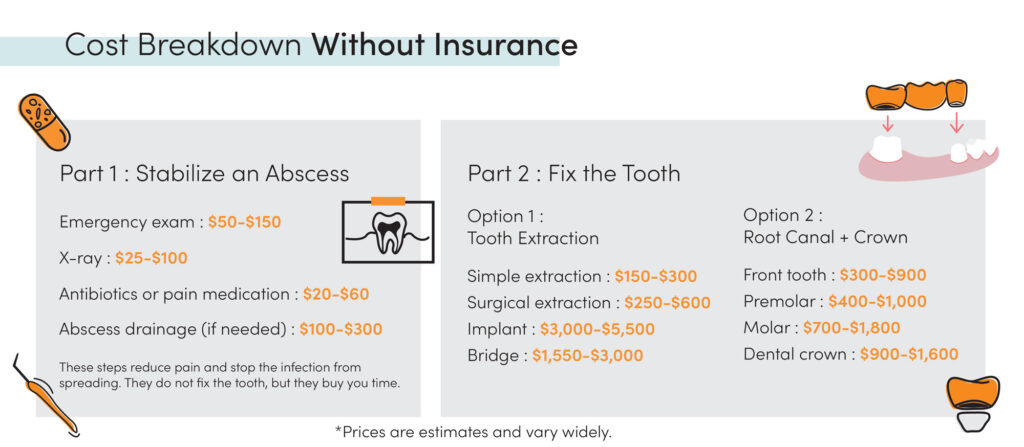
Part 1: The Cost to Stabilize an Abscess (Same-Day)
This is the urgent phase: exam, X-ray, antibiotics, and drainage. With no insurance, most people pay:
$150–$500 total
Breakdown:
- Emergency exam: $50–$150
- X-ray: $25–$100
- Antibiotics or pain medication: $20–$60
- Abscess drainage (if needed): $100–$300
These steps reduce pain and stop the infection from spreading. They do not fix the tooth, but they buy you time and are typically affordable, even without insurance.
Click here or call (888)597-3896 for help finding a dentist who accepts uninsured patients or offers discounts.
Part 2: The Cost to Fix the Tooth (Root Canal or Extraction)
nce the infection is under control, you’ll still need definitive treatment to prevent the abscess from returning.
Option 1: Tooth Extraction (Most Affordable)
- Simple extraction: $150–$300
- Surgical extraction: $250–$600
Extractions are the lowest-cost option but leave a gap in your teeth. Optional follow-up costs (not required immediately) include:
- Implant: $3,000–$5,500
- Bridge: $1,500–$3,000
Option 2: Root Canal + Crown (To Save the Tooth)
Prices vary by tooth type:
- Front tooth: $300–$900
- Premolar: $400–$1,000
- Molar: $700–$1,800
- Dental crown afterward: $900–$1,600
This is a more expensive option, but it saves the natural tooth and avoids extraction-related future costs.
Not sure which option is right for you? A dentist can tell you in minutes.
For help finding a dentist in your area, click here or call (888)597-3896.
Types of Abscesses—And Why They Affect Cost
Different abscess types require different specialists and pricing:
- Periapical abscess (inside the tooth): Needs a root canal or extraction.
- Periodontal abscess (gum infection): May require drainage and deep cleaning.
- Gingival abscess (surface gum infection): Often lower-cost and easier to treat.
Knowing the type affects both urgency and price, making this another reason to get a professional evaluation.
Home Relief While You Arrange Care
The following steps do not cure the abscess, but they may ease symptoms while you get seen. These temporary measures buy time, but you still need urgent dental care.
- Warm saltwater rinse: Helps reduce surface inflammation.
- Cold compress: Can reduce facial swelling temporarily.
- Over-the-counter pain relievers: Acetaminophen or ibuprofen can help manage discomfort. Be sure to avoid aspirin, because it increases bleeding risk if an extraction is needed.
- Do NOT attempt home drainage: This can spread bacteria and worsen infection.
How Urgent Is Your Abscess?
Use this quick self-check:
| Severity Level | Common Symptoms | Recommended Action |
|---|---|---|
| Mild | Pain comes and goes. Slight swelling. You can eat and swallow normally. | You can start with stabilization care from a dentist, including an exam, X-ray, and antibiotics. |
| Moderate | Throbbing pain. Swelling in the jaw or cheek. Pain with chewing. | Call for an emergency same-day dental visit. |
| Severe | Facial swelling spreading toward the eye or throat. Fever, chills, difficulty swallowing. Constant, unbearable pain. | Call a dentist immediately or go to the ER if you cannot breathe or swallow. Remember: The ER can’t fix the tooth; they can only give antibiotics. |
| Common Symptoms | Recommended Action |
|---|---|
| Mild | |
| Pain comes and goes. Slight swelling. You can eat and swallow normally. | You can start with stabilization care from a dentist, including an exam, X-ray, and antibiotics. |
| Moderate | |
| Throbbing pain. Swelling in the jaw or cheek. Pain with chewing. | Call for an emergency same-day dental visit. |
| Severe | |
| Facial swelling spreading toward the eye or throat. Fever, chills, difficulty swallowing. Constant, unbearable pain. | Call a dentist immediately or go to the ER if you cannot breathe or swallow. Remember: The ER can’t fix the tooth; they can only give antibiotics. |
When to Stop Home Care and See a Dentist
An untreated abscess can become life-threatening. A dentist must remove the source of the infection. You need same-day dental care if:
- Pain lasts more than 24–48 hours.
- Swelling increases, not decreases.
- You have a fever or feel unwell.
- There is a foul taste, pus, or drainage.
- Pain medication barely helps.
- Your face is visibly swollen.
Ways to Save Money Without Insurance
These options can help lower the bill:
- Cash-pay discounts: Many offices reduce fees 10–40% for same-day cash payment.
- Dental savings plans: Annual membership fees ($80–$150) unlock 20–60% procedure discounts.
- Health care payment plans:
- CareCredit
- Sunbit
- In-house payment agreements with your dentist
- Dental schools or community clinics: Lower-cost care with longer appointment times.
Urgent Call Script (Copy This)
Ready to call your dentist? Use this script to start the conversation:
“Hi, I have a tooth abscess and no insurance. Are you accepting new emergency patients today? Do you offer cash pricing or any payment plans?”
Your Tooth Abscess Care Checklist
- Get evaluated: Exam + X-ray to diagnose the type of abscess.
- Stabilize: Antibiotics and/or drainage, if necessary.
- Choose treatment: Extraction (lower cost) or root canal (to save the tooth).
- Ask for discounts: Cash-pay rates or payment plans.
- Call a dentist: If symptoms are worsening or you feel feverish.
You don’t have to stay in pain, and you don’t have to overpay. Enter your ZIP code here or call (888) 597-3896 to connect with a dentist who can see you today and offer affordable treatment options without insurance.
About Dr. Peter Do, DDS
About Dr. Peter Do, DDS
Dr. Peter Do leads his practice, Westwood Dental Care, where he is dedicated to providing the care patients need to keep their smiles healthy while delivering the highest level of service and results. He is deeply committed to continuing education, regularly pursuing advanced training to stay at the forefront of modern dentistry.
Dr. Do is an active member of the American Dental Association, California Dental Association, and San Diego County Dental Society. He is also passionate about serving his community. Through the Healthy Smile program he helped launch with Neighborhood Healthcare, Dr. Do and fellow dentists dedicate one Sunday each quarter to providing free dental care to adults who would otherwise be unable to afford treatment across North San Diego County.
Need Help Finding a Dentist?
Related Information
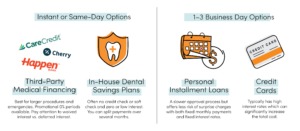
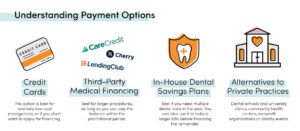
Dental Payment Plans: How to Finance Emergency Work
Dental emergencies rarely come with warning. One cracked tooth, abscess, or failed crown can turn into a four-figure bill overnight. When you are in pain, the stress of figuring out how to pay can feel just as overwhelming as the dental problem itself.
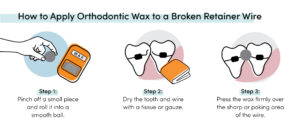
Broken Permanent Retainer: Is It a Dental Emergency?
While a broken bonded retainer is rarely a medical emergency, you should make a dental appointment to prevent discomfort and tooth movement. Most dentists can usually solve the problem with a simple bonding fix.
Emergency Dentist Cost Without Insurance: Prices and Affordable Solutions
The first step in relieving acute tooth pain is an emergency dental exam. Without insurance, this typically costs $100-$300 dollars.
That appointment will allow for immediate pain management. If needed, you and the dental team can plan for additional treatment and discuss ways to break up the cost over time.