Guide to Emergency Treatment of Dental Abscesses
Severe tooth pain that throbs, keeps you up at night, or radiates to your jaw is often more than just a cavity. In fact, it may be a dental abscess. This guide explains what’s happening inside your tooth, how to get immediate relief, and why calling a dentist now—not later—is the only way to stop the infection for good.
Reviewed By Dr. Anaheata Esmailzada, DDS | November 2025 • 6 min Read
When Treatment for a Dental Abscess May Be Required
Infection in the Tooth or Gum
A dental abscess requires prompt professional care.
Infection Spreading to Jaw and Sinuses
An untreated infection can spread, turning a dental issue into an emergency.
Pain That Can Disappear
Pain may fade if the nerve dies, but infection can still spread.
Persistent, Throbbing Pain
Pain that worsens when biting or lying down may signal a deep infection.
Swelling or Gum “Pimple”
A gum bump or swelling may indicate pus needing drainage.
Fever or Spreading Symptoms
Fever, swollen nodes, or post-injury pain may signal spreading infection.
What to Expect During a Dental Visit for an Abscess
Before
Your dentist will numb the area completely with local anesthesia.
During
You may feel some pressure as the abscess drains, followed by instant relief.
After
Mild soreness is normal for a few days. Follow your dentist’s care instructions and avoid chewing on the treated side until healing is complete.
Emergency Dental Abscess Checklist
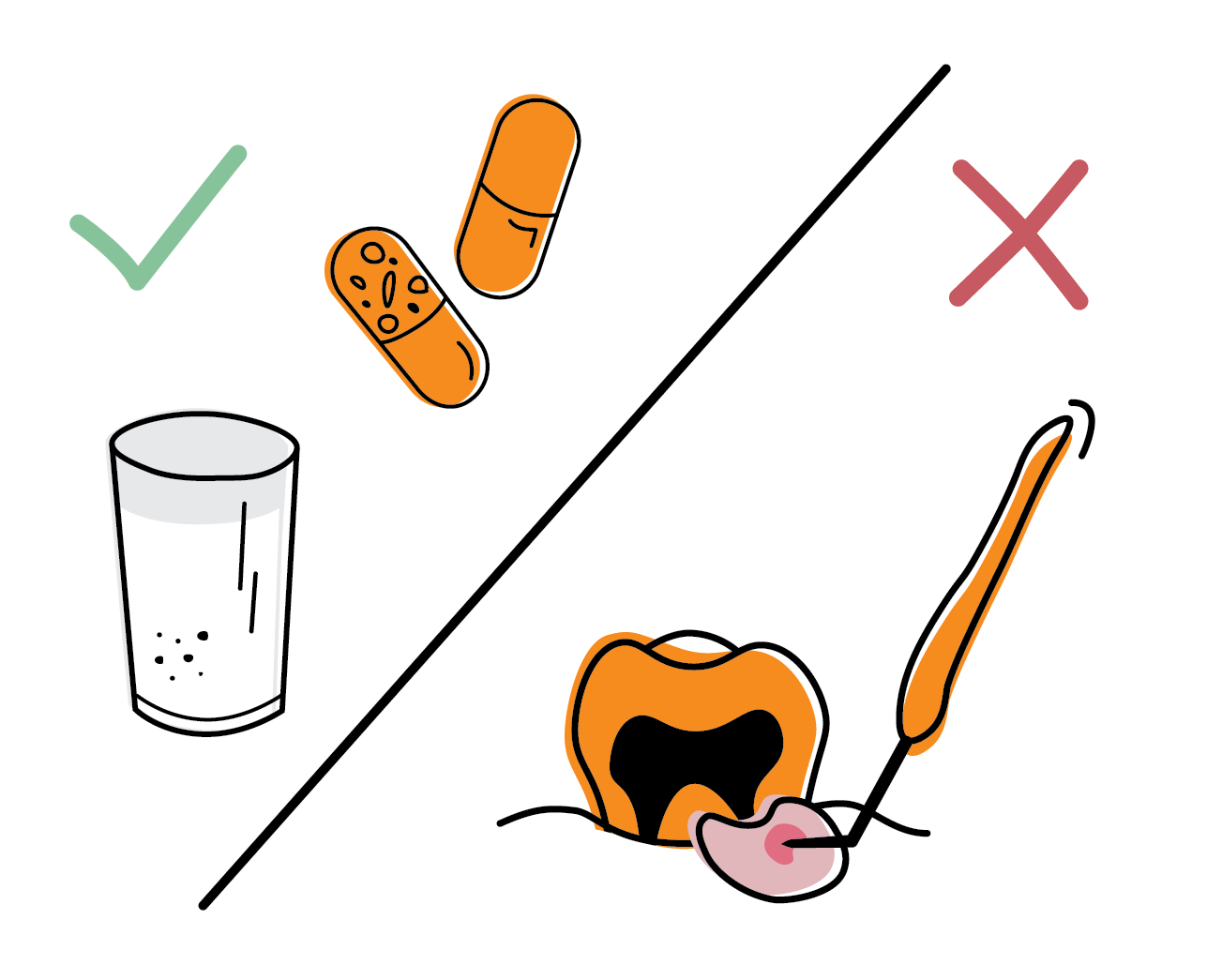
If you suspect you have a dental abscess, it’s important to act quickly. Call a dentist immediately and request a same-day appointment for emergency abscess treatment. If you experience fever, swelling in your face or neck, or difficulty breathing, go to the emergency room right away. While waiting to be seen, you can rinse gently with warm salt water to help reduce bacteria and take over-the-counter pain relievers like ibuprofen or acetaminophen. Do not attempt to drain the abscess yourself, as this can worsen or spread the infection.
To find an affordable emergency dentist near you, click here or call (888) 597-3896.
When to Call a Dentist vs. When to Go to the ER
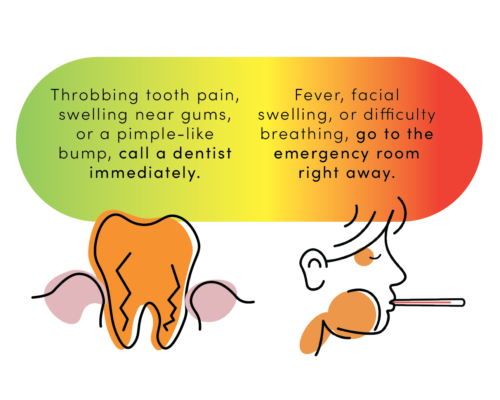
If you’re experiencing symptoms of a dental abscess, knowing where to go can make a critical difference. Call a dentist immediately if you have throbbing tooth pain, swelling near your gums, or a pimple-like bump, as these are early signs of infection that need prompt treatment. You should also contact a dentist if the pain suddenly stops but the swelling remains, as the infection may still be active. However, go to the emergency room right away if you develop a fever, facial swelling, or difficulty swallowing or breathing, as these may indicate the infection is spreading and could become life-threatening.
Professional Dental Abscess Treatment
Dentists treat dental abscesses by first relieving pressure and pain, then eliminating the source of infection. This may involve making a small incision to drain pus, which quickly reduces swelling and discomfort. If the tooth can be saved, a root canal is performed to remove the infected nerve, disinfect the canal, and seal it. If the damage is too severe, the tooth may be extracted to prevent further spread of infection. Antibiotics are sometimes prescribed to control infection but do not cure it alone. After treatment, the tooth is typically restored with a crown or permanent filling for strength and protection.
What to Ask About Cost When You Call
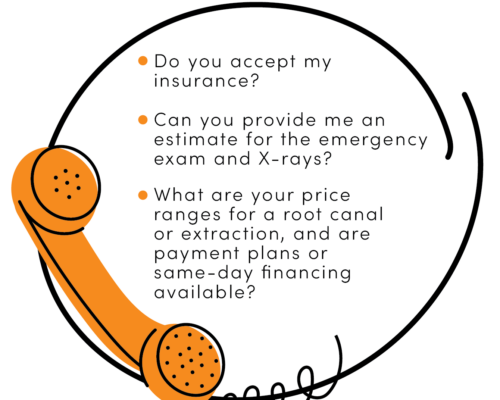
When calling a dental office about emergency care, it’s important to understand costs upfront, even without insurance. Many practices offer flexible payment options or can refer you to lower-cost providers, such as dental schools. Be sure to ask whether they accept your insurance or discount plan, and request an estimate for the emergency exam and X-rays. You should also ask about typical price ranges for procedures like a root canal or extraction, and whether payment plans or same-day financing are available to help manage out-of-pocket costs.
Ask A Dentist: Dr. Dennis Rollins:
When is a tooth extraction an emergency and when it can wait?
Class aptent taciti sociosqu ad litora torquent per conubia nostra, per inceptos himenaeos. In hac habitasse platea dictumst. Aenean dignissim, nibh sed iaculis hendrerit, velit risus rhoncus massa, in dictum nulla lectus ac eros. Phasellus laoreet mauris turpis, eget varius nisl tempor nec. Fusce eget ante mattis diam blandit cursus. Vivamus dignissim est sit amet tellus venenatis varius.
Nunc blandit libero sit amet odio ornare, eget suscipit lacus blandit. Quisque bibendum laoreet convallis. Vestibulum vestibulum posuere risus at scelerisque. Vestibulum ante ipsum primis in faucibus orci luctus et ultrices posuere cubilia curae; Mauris sed sapien bibendum, maximus eros ut, volutpat erat.

Find Emergency Dental Abscess Treatment Near You
A dental abscess is one of the most painful and dangerous oral emergencies. Don’t wait for it to burst or for the pain to stop; that only means the nerve has died, not that the infection is gone. Real relief begins when you call a dentist who can drain the infection and repair your tooth.
Frequently Asked Questions
Is a dental abscess an emergency?
Yes. The infection will not go away on its own and can become life-threatening. You should call a dentist right away or go to the ER if swelling spreads to your face or neck.
Can I treat an abscess at home?
No. Saltwater rinses and OTC pain relievers may ease discomfort, but only a dentist can remove the source of the infection.
Will antibiotics cure it?
No. Antibiotics are temporary; the abscess must be drained or treated with a root canal or extraction.
What specialist treats abscesses?
General dentists can treat most abscesses. Complex cases may require an endodontist (a root canal specialist) or an oral surgeon.
Can a dental abscess return?
Not if the infection is fully removed and the tooth properly restored. If symptoms reappear, see your dentist immediately.