Troubleshooting by Timeline: Why the Day Matters
How concerned you should be depends on when the stitch came out. Use this timeline to gauge urgency.
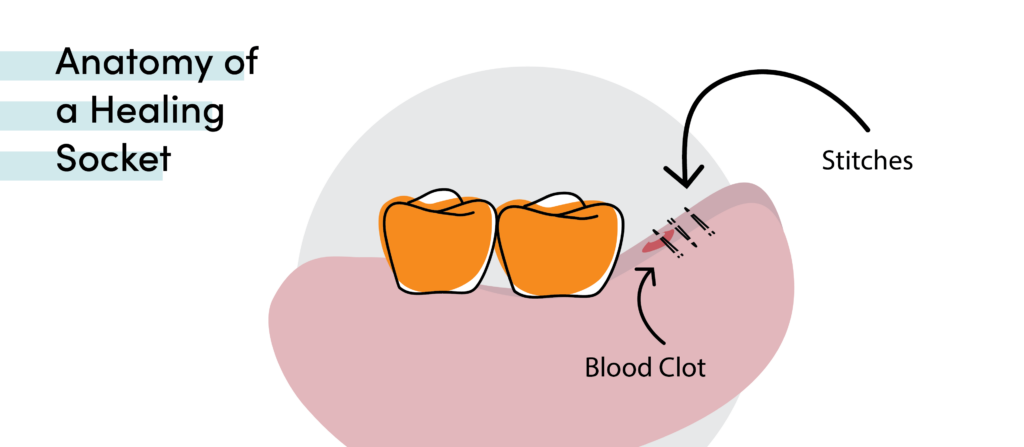
If the Stitch Came Out in the First 24 Hours
This is the window where caution matters most. Early stitch loss does not guarantee a problem, but it deserves closer attention in this first day.
- The blood clot is still forming and fragile
- Light bleeding or oozing can happen
- The site is more vulnerable to disruption
What to do:
- Apply gentle pressure with clean gauze if bleeding occurs
- Avoid rinsing for the first 24 hours unless instructed otherwise
- Stick strictly to soft foods and no straws
- Call a dentist or oral surgeon to inform them, even if pain is mild
If the Stitch Came Out Between Days 3 and 7
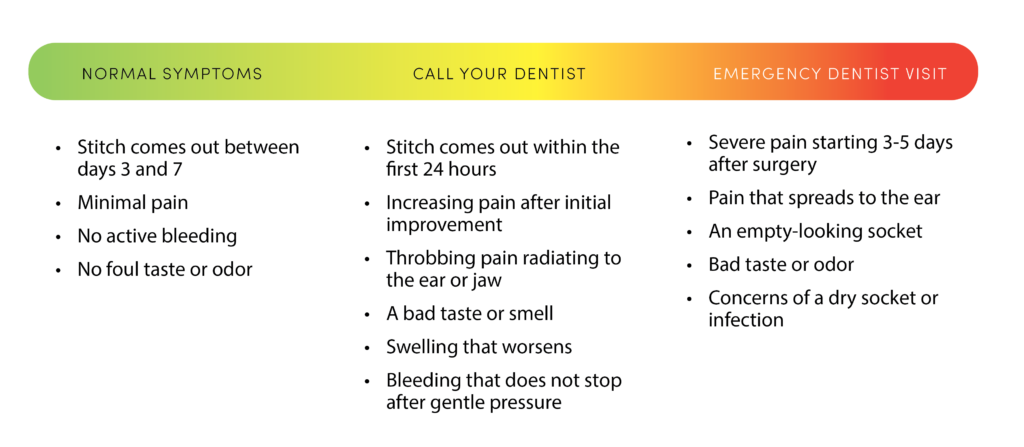
This is the most common and least concerning timeframe. If symptoms are improving overall, this is usually part of normal healing and not an emergency.
- The clot is usually stable by now
- Dissolvable stitches are often designed to loosen during this period
- Mild soreness or awareness is normal
What to do:
- Continue gentle saltwater rinses
- Avoid poking or stretching the area
- Monitor for worsening pain, odor, or swelling
What to Do Right Now (Step by Step)
If a stitch is loose, dangling, or missing:
- Do not pull it out
Tugging can disturb the clot and irritate the wound.
- Stop “checking” with your tongue
Constant rubbing is the most common reason stitches loosen early.
- Rinse gently with salt water
Use warm water and salt. Do not swish forcefully.
- Avoid straws, smoking, or vigorous rinsing
These increase dry socket risk, not the missing stitch itself.
- Stick to soft foods
Avoid sharp or crunchy foods that can irritate the site.
Is This a Dental Emergency?
In most cases, no. Early stitch loss alone is not an emergency. But watch for signs of possible infection.
Usually Not an Emergency
- Stitch came out after 2–5 days
- Minimal pain
- No active bleeding
Call a Dentist or Oral Surgeon Promptly If You Notice:
- Increasing pain after initial improvement
- Throbbing pain radiating to the ear or jaw
- A bad taste or smell
- Swelling that worsens
Loose Stitch or Food Stuck in the Socket?
This is a common source of panic. If you are unsure, don’t dig at the site; let a professional take a look.
- A stitch feels thread-like, flexible, and may move when touched.
- Food debris feels soft or gritty and usually rinses away with gentle swishing of salt water.
What About Dry Socket?
Dry socket is not caused by stitches falling out. It happens when the blood clot is lost or dissolves, exposing bone. If you notice these symptoms, you should be evaluated as soon as possible:
- Severe pain starting 3–5 days after surgery
- Pain that spreads to the ear
- An empty-looking socket
- Bad taste or odor
What to Say to the Dentist When You Call
If you need to book an appointment, clear wording helps you get triaged correctly.
Say:
“I had my wisdom teeth removed and one of my stitches came out early. I’m concerned about healing and want to rule out dry socket or infection.”
If your original surgeon is unavailable or you are traveling, you can still be seen by another provider.
Why This Can’t Be Solved Online
Photos and self-checks can’t confirm:
- Whether the clot is intact
- Whether irritation is normal healing or early infection
- Whether treatment is needed
An in-person exam is the only reliable way to be sure.
Your Next Step
In most cases, wisdom tooth stitches falling out early is part of normal healing. The key is protecting the area and watching for warning signs, not panicking or trying to fix it yourself.
Dentistry.com helps you find local dentists and oral surgeons who can evaluate post-extraction concerns, even if your original provider is unavailable.
Find a dentist near you and get peace of mind about your healing. Click here or call (888) 597-3896 for help finding a dentist near you.
About Dr. Jody Bardash, DMD
About Dr. Jody Bardash, DMD
Dr. Jody Bardash is a lead clinician at Dental Professionals of Fair Lawn, a family and cosmetic dentistry practice in Fair Lawn, New Jersey. With more than 30 years of experience, he is committed to delivering compassionate, high-quality care in dentistry and facial esthetics.
A graduate of Isaac Brauer College at Yeshiva University, Dr. Bardash stays at the forefront of innovation through advanced clinical training and continuing education. He is a member of the AACD, ADA, AGD, American Academy of Facial Esthetics, and the American Society for Dental Aesthetics. He also serves as a Clinical Instructor at Hackensack University Medical Center and Englewood Hospital and has been recognized by the Consumers’ Research Council of America for 25 years as one of the top dentists and facial injectors in the United States.