
Home Remedies for Bleeding Gums

Revisado por Dr. Dennis Rollins, DDO |
Julio de 2025 - 6 min Leer
Reviewed By Dr. Dennis Rollins, DDO | Julio 2025 - 6 min Read
If you notice pink in the sink when brushing or flossing, you’re not alone. Bleeding gums are one of the earliest—and most common—signs of gum inflammation. While minor bleeding can often be soothed with simple at-home remedies, persistent symptoms may point to a deeper issue like gingivitis or even early gum disease.
This guide walks you through proven, natural ways to stop bleeding gums fast and strengthen gum tissue, as well as help you know when it’s time to call a dentist.
Why Your Gums Bleed, and Why It Matters
Healthy gums don’t bleed easily. When they do, it’s often your body’s early warning sign of irritation or infection. The most common causes include:
- Plaque buildup: Bacteria and food particles harden along the gumline, causing inflammation.
- Brushing too hard or with a stiff brush: Aggressive brushing can damage sensitive gum tissue.
- Vitamin deficiencies: Low vitamin C or K can weaken blood vessels and slow healing.
- Hormonal changes or stress: These can make gums more sensitive or prone to inflammation.
- Systemic conditions: Diabetes, smoking, or certain medications can contribute to chronic gum bleeding.
Left untreated, bleeding gums can progress to periodontitis, a serious form of gum disease that can cause tooth loss. That’s why at-home care should focus on short-term relief and be paired with prompt professional evaluation.
Natural Remedies for Healing and Prevention
Immediate Relief: Stop the Bleeding Fast
When your gums start bleeding, these simple home remedies can help calm the irritation and encourage clotting right away.
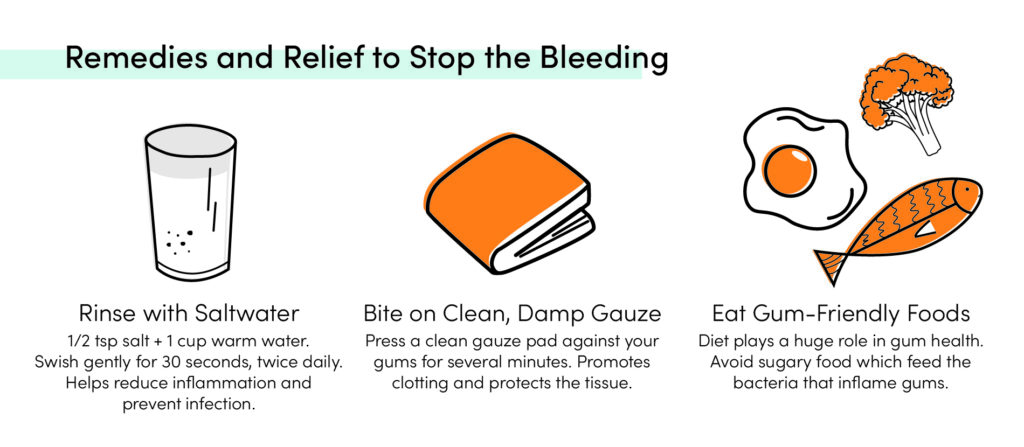
- Rinse with Saltwater: A saltwater rinse is nature’s antibacterial mouthwash. Mix ½ teaspoon of salt in 1 cup of warm water and swish gently for 30 seconds, twice daily. This will reduce inflammation and help prevent infection without harsh chemicals.
- Apply a Cold Compress: Wrap ice in a clean cloth and hold it against your cheek for 10 minutes. The cold constricts blood vessels, slowing bleeding and easing swelling.
- Try Hydrogen Peroxide (Diluted): Mix equal parts 3% hydrogen peroxide and water. Swish gently for 30 seconds, then spit it out (don’t swallow). This helps kill bacteria and promote healing.
- Bite on Clean, Damp Gauze: If the bleeding is heavy or sudden, press a clean gauze pad against your gums for several minutes. This encourages clotting and protects the tissue.
Natural Remedies for Healing and Prevention
Once the bleeding subsides, it’s time to strengthen your gums and address the underlying cause.
- Improve Oral Hygiene Gently: Use a soft-bristled toothbrush and brush at a 45-degree angle toward your gums. Be sure you’re using a fluoride toothpaste and floss daily—gently, not forcefully—to remove plaque without injury.
- Use Aloe Vera Gel :Aloe vera’s anti-inflammatory properties can soothe tender gums. Apply a small amount of pure aloe gel directly to the affected area and let it sit for a few minutes before rinsing.
- Oil Pulling with Coconut Oil: Swish one tablespoon of coconut oil for 10–15 minutes, then spit it out and rinse. This traditional Ayurvedic practice reduces bacteria and plaque that irritate gums.
- Eat Gum-Friendly Foods: Your diet plays a crucial role in gum health. Avoid sugary snacks and sodas, which feed the bacteria that cause gum inflammation. Instead, try adding:
- Vitamin C-rich foods: Oranges, strawberries, and bell peppers help repair gum tissue.
- Vitamin K sources: Kale, spinach, and broccoli improve clotting and reduce bleeding.
- Lean proteins: Eggs, fish, and yogurt support tissue regeneration.
The Bleeding Gums Urgency Scorecard
Not sure if you can manage this at home or need a dentist? Use this quick self-check:
| Symptoms & Severity | Recommended Action |
|---|---|
| Minor bleeding when brushing, pain that happens once in a while | Safe to try home remedies |
| Bleeding daily or with swelling or tenderness that happens frequently | Schedule a professional cleaning soon |
| Bleeding that won’t stop, with pus or bad odor that is persistent and severe | Call a dentist immediately |
| Symptoms & Severity | Recommended Action |
|---|---|
| Minor bleeding when brushing, pain that happens once in a while | Safe to try home remedies |
| Bleeding daily or with swelling or tenderness that happens frequently | Schedule a professional cleaning soon |
| Bleeding that won’t stop, with pus or bad odor that is persistent and severe | Call a dentist immediately |
If your symptoms fall into the frequent or persistent range, it’s time for professional care. Home remedies can ease discomfort, but only a dentist can remove hardened plaque below the gumline and prevent gum disease from worsening.
Haga clic en aquí o llámenos al (888)597-3896 para encontrar un dentista cerca de usted
When to Stop Home Remedies and See a Dentist
You should schedule a professional dental appointment if you notice:
- Bleeding lasting more than 7–10 days.
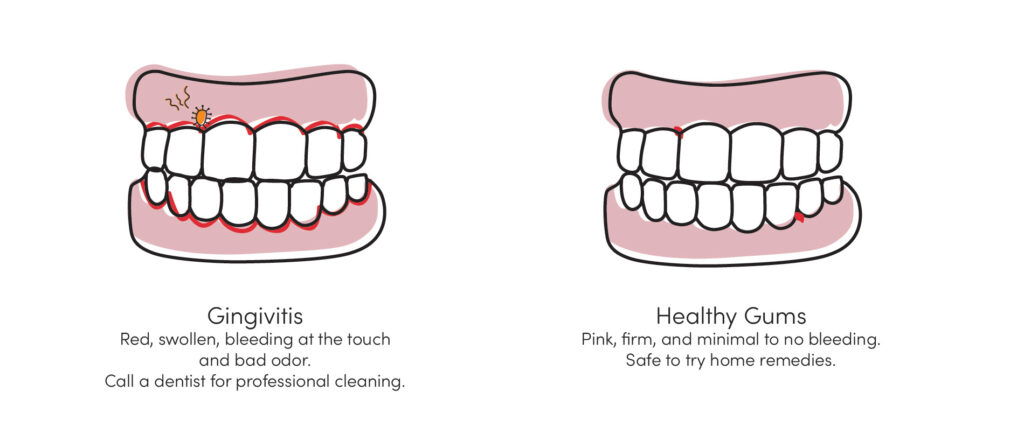
- Gums that look dark red, swollen, or receding.
- Persistent bad breath or a metallic taste.
- Pain when chewing or brushing.
These may indicate advanced gingivitis or infection, which home care can’t resolve. Remember: Home remedies can help relieve symptoms, but the cure for most bleeding gums is a professional dental cleaning and evaluation.
Quick Checklist
- Rinse: Saltwater or diluted hydrogen peroxide twice daily.
- Cool: Apply a cold compress to reduce bleeding and swelling.
- Nourish: Eat vitamin-rich foods that strengthen gums.
- Brush and floss gently: Avoid harsh pressure or stiff bristles.
- Call a dentist: If symptoms last more than a week or worsen.
Find a Dentist Near You
Healthy gums don’t just look better—they protect your teeth, your breath, and your overall health. Try these remedies today, and take the next step toward lasting relief by connecting with a qualified dentist near you by entering your zip code aquí or calling (888) 597-3896.
Need Help Caring for Bleeding Gums?
Información relacionada

Dental Payment Plans: How to Finance Emergency Work
Dental emergencies rarely come with warning. One cracked tooth, abscess, or failed crown can turn into a four-figure bill overnight. When you are in pain, the stress of figuring out how to pay can feel just as overwhelming as the dental problem itself.
Broken Permanent Retainer: Is It a Dental Emergency?
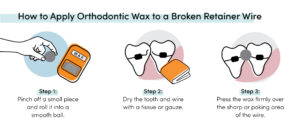
While a broken bonded retainer is rarely a medical emergency, you should make a dental appointment to prevent discomfort and tooth movement. Most dentists can usually solve the problem with a simple bonding fix.

Emergency Dentist Cost Without Insurance: Prices and Affordable Solutions
The first step in relieving acute tooth pain is an emergency dental exam. Without insurance, this typically costs $100-$300 dollars.
That appointment will allow for immediate pain management. If needed, you and the dental team can plan for additional treatment and discuss ways to break up the cost over time.