
Emergency Dentist Cost Without Insurance: Prices and Affordable Solutions

Reviewed By Dr. Peter Do, DDS
November 2025 • 6 min Read
Reviewed By Dr. Peter Do
November 2025 • 6 min Read
The first step in relieving acute tooth pain is an emergency dental exam. Without insurance, this typically costs $100-$300 dollars.
That appointment will allow for immediate pain management. If needed, you and the dental team can plan for additional treatment and discuss ways to break up the cost over time.
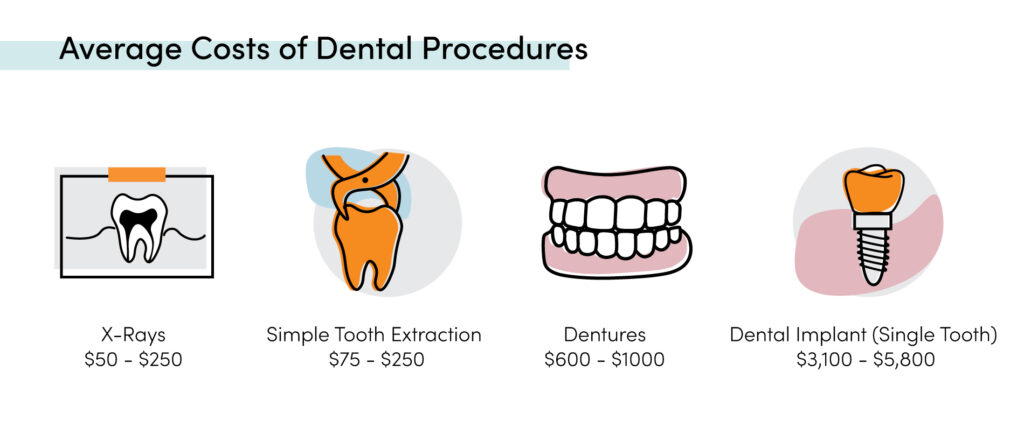
Average Costs of Dental Procedures
| Procedure | Average Cost |
|---|---|
| Emergency Exam | $100 – $300 |
| Radiografías | $50 – $250 |
| Fluoride Treatment | $30 – $50 |
| Filling | $50 – $150 |
| Deep Cleaning (Scaling and Root Planing) | $169 – $352 per mouth quadrant |
| Simple Tooth Extraction | $75 – $250 |
| Surgical Tooth Extraction | $180 – $550 |
| Impacted Wisdom Tooth Extraction | $225 to $600 per wisdom tooth |
| Endodoncia | Incisor: $500 – $1,000; Molar: $800 – $1,500 |
| Dental Crown (Metal) | $500 – $1,500 |
| Dental Implant (Single Tooth) | $3,100 – $5,800 |
| Dentaduras postizas | $600 – $1000 |
| Procedure | Average Cost |
|---|---|
| Emergency Exam | $100 – $300 |
| Radiografías | $50 – $250 |
| Fluoride Treatment | $30 – $50 |
| Filling | $50 – $150 |
| Deep Cleaning (Scaling and Root Planing) | $169 – $352 per mouth quadrant |
| Simple Tooth Extraction | $75 – $250 |
| Surgical Tooth Extraction | $180 – $550 |
| Impacted Wisdom Tooth Extraction | $225 to $600 per wisdom tooth |
| Endodoncia | Incisor: $500 – $1,000; Molar: $800 – $1,500 |
| Dental Crown (Metal) | $500 – $1,500 |
| Dental Implant (Single Tooth) | $3,100 – $5,800 |
| Dentaduras postizas | $600 – $1000 |
Keep in mind that prices can vary depending on the dentist, their location, and whether complications arise. This is why it’s best to ask the dental team for specific cost estimates, payment options, and savings opportunities.
Calling a Dentist About Cost
Dental teams are accustomed to discussing the costs of procedures and can provide you as much clarity as possible. Here’s how to handle that conversation.
- Start by letting them know you do not have dental insurance and what procedure you’re calling about.
- Ask for a breakdown of the cost, including any consultation, X-rays, anesthesia, and follow-up visits.
- Ask whether there is a material option that can reduce the cost.
- Ask what payment plans or financing options they offer.
- If you need an after-hours or weekend appointment, ask about the cost.
Make sure to take notes during the call, writing down the name of the staff member you spoke to, the date and time of the conversation, and the price estimates they provided. Bring those notes with you on the day of your appointment.
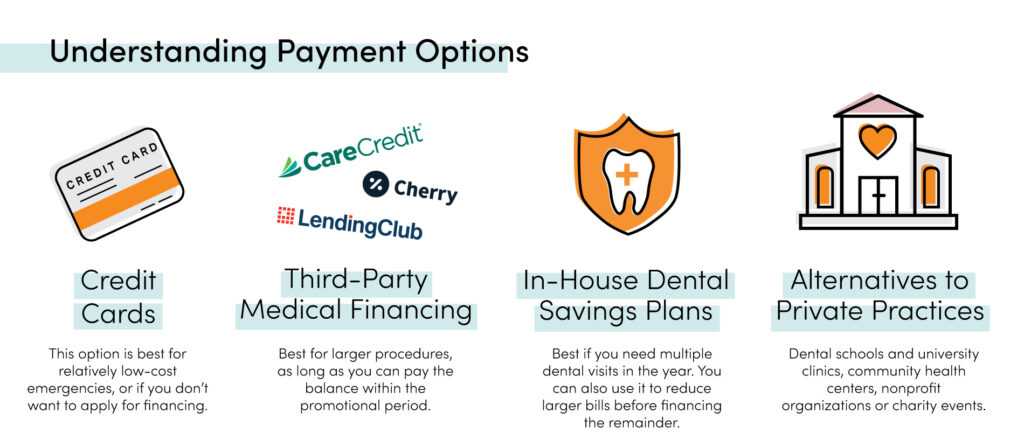
Understanding Payment Options
If you can’t or don’t want to pay for your dental care with cash, here’s what you need to know about the alternatives.
Credit Cards
If you have a credit card, you can use it to charge the dental bill right away and then repay it over time. Depending on your interest rate, this can be cheaper than medical financing. Some cards offer 0% APR, meaning you’ll pay no interest if you pay it off within the promotional period.
That said, interest can build up quickly if you carry a balance beyond the next billing cycle. (You can check your credit card provider for details.)
This option is best for relatively low-cost emergencies, or if you don’t want to apply for financing.
Third-Party Medical Financing
Companies like CareCredit, Cherry, and LendingClub specialize in healthcare lending. They often offer 0% interest for 6, 12, 18, or 24 months, if the balance is paid in full within that promotional period. It’s usually easier to qualify for these than traditional loans, and they offer financial breathing room.
It is important to note that if you don’t pay off the full balance by the end of the promotional period, you may owe back interest on the entire loan, not just the remaining balance. What’s more, those non-promotional interest rates can be high. This makes it vital to check the details of any third-party financing you consider.
This option is best for larger procedures, as long as you’re confident you can pay the balance within the promotional period.
In-House Dental Savings Plans
Think of this as discounted membership pricing. In exchange for an annual fee (typically $150–$350 per year per adult), you get free or reduced-cost regular exams and cleanings as well as discounts on most procedures.
There’s no credit check or approval process involved. What’s more, there’s usually no waiting period, so you can use the discount right away on your emergency procedure.
On the other hand, those discounts won’t cover the full cost, so you’ll still be paying out of pocket. Since there’s no financing involved, that payment will typically be due at the time of the procedure.
This option is best if you expect to need multiple dental visits across the year. You can also use it to reduce larger bills before financing the remainder.
Alternatives to Private Practices
At dental schools and university clinics, students perform procedures under close supervision by licensed dentists. The fees for these procedures are significantly lower than in private practices.
That said, appointments can take longer, and this option is not always ideal for dental emergencies.
Many community health centers offer dental care, with fees based on a sliding scale that adjusts for income and family size. While this can be ideal for basic care, wait times are often long, and more complex procedures are often referred out to private practices.
Some nonprofit organizations, charities, and religious groups run clinics providing free or low-cost care. This is often a great option for basic urgent care, such as fillings or extractions. On the other hand, appointments often fill up quickly, which can be a problem when you need care urgently.
Some areas have charity events that offer free dental treatment to anyone who qualifies. While these can work for basic urgent needs, they’re not available year-round, and can often require long waits in line for treatment.
The Importance of Prompt Treatment
Financial anxiety can make it tempting to try to manage tooth pain on your own, but it’s vital to see a dentist as soon as possible. Delaying treatment can make the underlying issue worse, leading to more involved and costly issues down the road. It’s best to make an emergency appointment right away and to ask the dental team for guidance regarding cost and payment options.
Need an Emergency Dentist?
Información relacionada
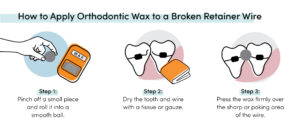
Broken Permanent Retainer: Is It a Dental Emergency?
While a broken bonded retainer is rarely a medical emergency, you should make a dental appointment to prevent discomfort and tooth movement. Most dentists can usually solve the problem with a simple bonding fix.
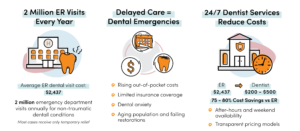
Rising Dental Emergencies Fuel Growth in After-Hours and Weekend Dentist Services
According to the American Dental Association, about 2 million people visit emergency departments each year for non-traumatic dental conditions. At first glance, a trip to the emergency room for a tooth problem might seem excessive, but many people simply don’t have other immediate options when severe dental pain hits.
Broken Tooth Repair Cost: From Bonding to Crowns
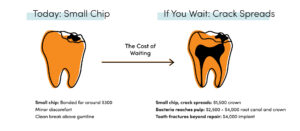
If you’ve chipped or cracked a tooth, you’re likely dealing with two problems at once: physical discomfort and financial panic. You’re not just wondering “How bad is this?”, you’re wondering “How much will this cost me?” This guide gives you clear, realistic price ranges, explains what affects the cost, and shows you how acting quickly can save you hundreds, or even thousands, of dollars.