







Find an Emergency Oral Surgeon Near You
Severe tooth pain, facial swelling, or injury can strike suddenly and feel overwhelming. An emergency oral surgeon can help with complex problems that dentists can’t. This page explains when to call for emergency oral surgery, what to do right in the meantime for relief, and what to expect when you visit an oral surgeon near you.
Idioma
Cobertura
Tipo de asistencia
Cobertura
Idioma
Tipo de asistencia
Carga de consultas dentales...
Do I Need an Emergency Oral Surgeon?
Emergency Tooth Extractions
Severely infected or abscessed teeth that can’t be saved.
Facial Trauma or Injury Repair
Treatment for broken jaws, cheekbones, or other facial fractures.
Draining Oral or Facial Abscesses
Surgical relief for deep infections causing swelling and pain.
Uncontrolled Bleeding Post-Extraction
Persistent bleeding after dental surgery needs urgent attention.
Serious Oral Infections
Painful infections spreading to the face or neck require immediate treatment.
Knocked Out or Dislodged Teeth
Repositioning or stabilizing teeth after trauma or accidents.
What to Expect During Emergency Oral Surgery
Evaluación
The surgeon examines the injury and takes X-rays or scans.
Tratamiento
Pain and bleeding are stabilized, then the surgeon performs the procedure.
Recovery
You’ll receive aftercare instructions and, if needed, a follow-up appointment.
Why You Shouldn’t Wait to Treat Oral Surgery Emergencies
Serious mouth and facial problems can worsen quickly if an untreated infection spreads to the jaw, neck, or bloodstream. Facial trauma left unaddressed can heal incorrectly, causing long-term pain or alignment issues. Delaying care often increases both the complexity and the cost of surgery. The good news is that emergency oral surgeons are trained to act fast and relieve pain safely. Same-day care prevents lasting damage, restores comfort, and protects your overall health. If you’re unsure whether it’s urgent, call an emergency oral surgeon near you; they can advise you on the next steps.
When to Go to the ER vs. an Oral Surgeon
It’s important to know where to go for help. Head straight to the ER if you have uncontrolled bleeding, swelling that affects breathing, or a suspected concussion along with facial trauma. Go to an emergency oral surgeon for severe tooth pain, abscesses, knocked-out teeth, or post-surgery complications. When in doubt, call first. Many oral surgery offices work closely with hospitals and can guide you to the safest option. Quick triage ensures you get the right level of care, whether it’s a same-day appointment or immediate stabilization at the ER.
First Aid for Facial and Dental Trauma
While you arrange care, a few first-aid steps can help. If a tooth gets knocked out, handle it by the crown, rinse gently, and try to reinsert it. If that’s not possible, store it in milk or saline. For jaw injuries, gently support the jaw with a bandage tied over the head to limit movement. Apply steady pressure with gauze or a clean cloth for bleeding. A cold compress helps reduce swelling and pain. These steps can make a big difference in the first 30 minutes before you reach an oral surgeon.
Preparing for Your Emergency Visit
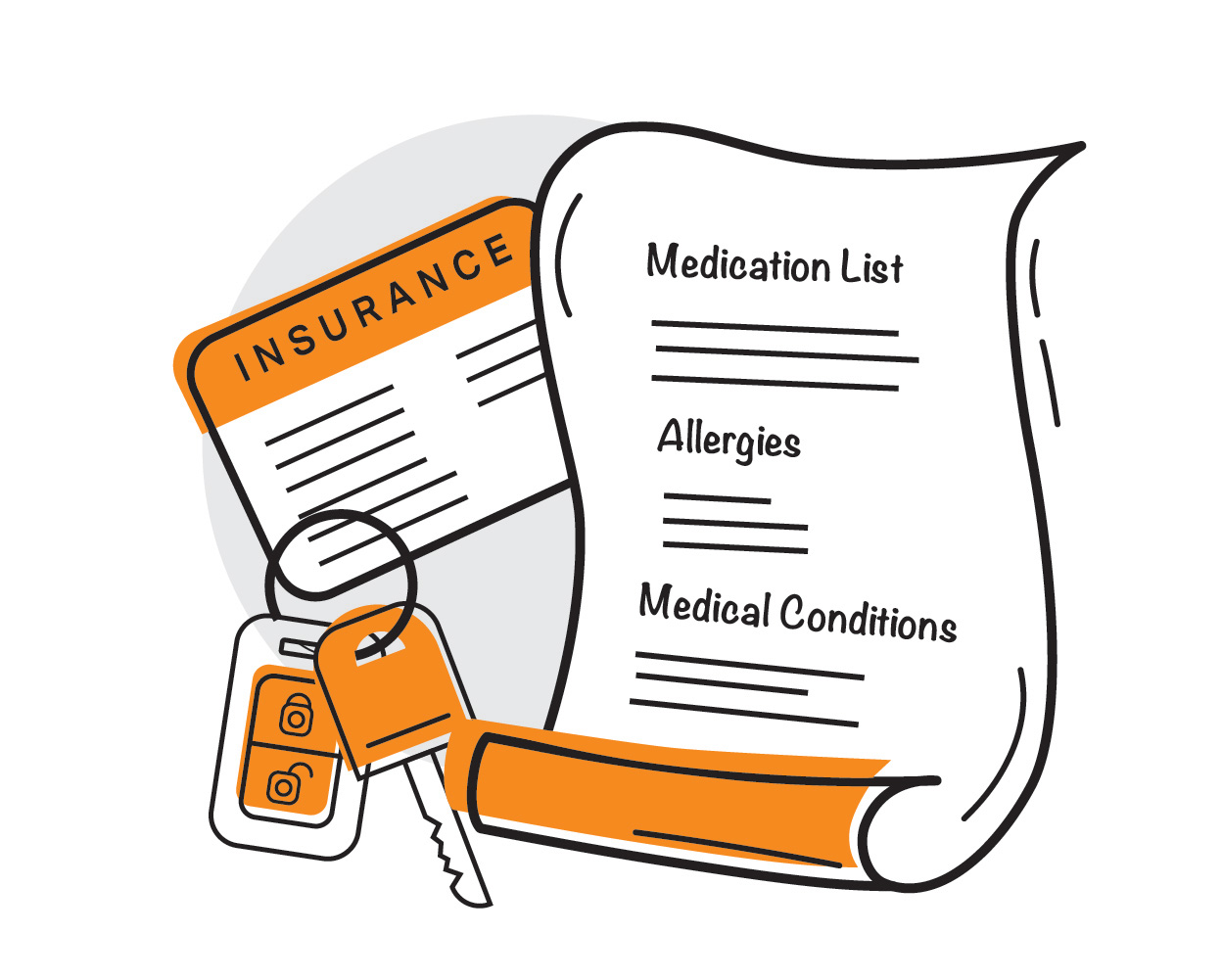
A little preparation helps your visit go smoothly. If you can, bring a list of your medications, allergies, and any medical conditions. Have your dental or medical insurance information handy, and arrange for someone to drive you, since sedation may be used during your procedure. Be ready to describe when the pain began and any symptoms you’re feeling. The more details you share, the faster the oral surgeon can diagnose and treat the problem. Taking a few minutes to gather this information ensures you get the right care as quickly as possible.
Understanding Anesthesia Options in an Emergency
Emergency oral surgeons use different anesthesia options based on the procedure and your comfort level. Local anesthesia numbs the area being treated for smaller procedures, such as simple extractions. Nitrous oxide (laughing gas) helps you stay relaxed and calm during the procedure. For complex or surgical cases—like jaw fractures or deep infections—IV sedation or general anesthesia may be used, keeping you asleep and pain-free throughout. Your oral surgeon will review each option before starting treatment and ensure you understand what to expect. Safety, comfort, and clear communication are always the top priorities.
Cost, Insurance, and Payment Options
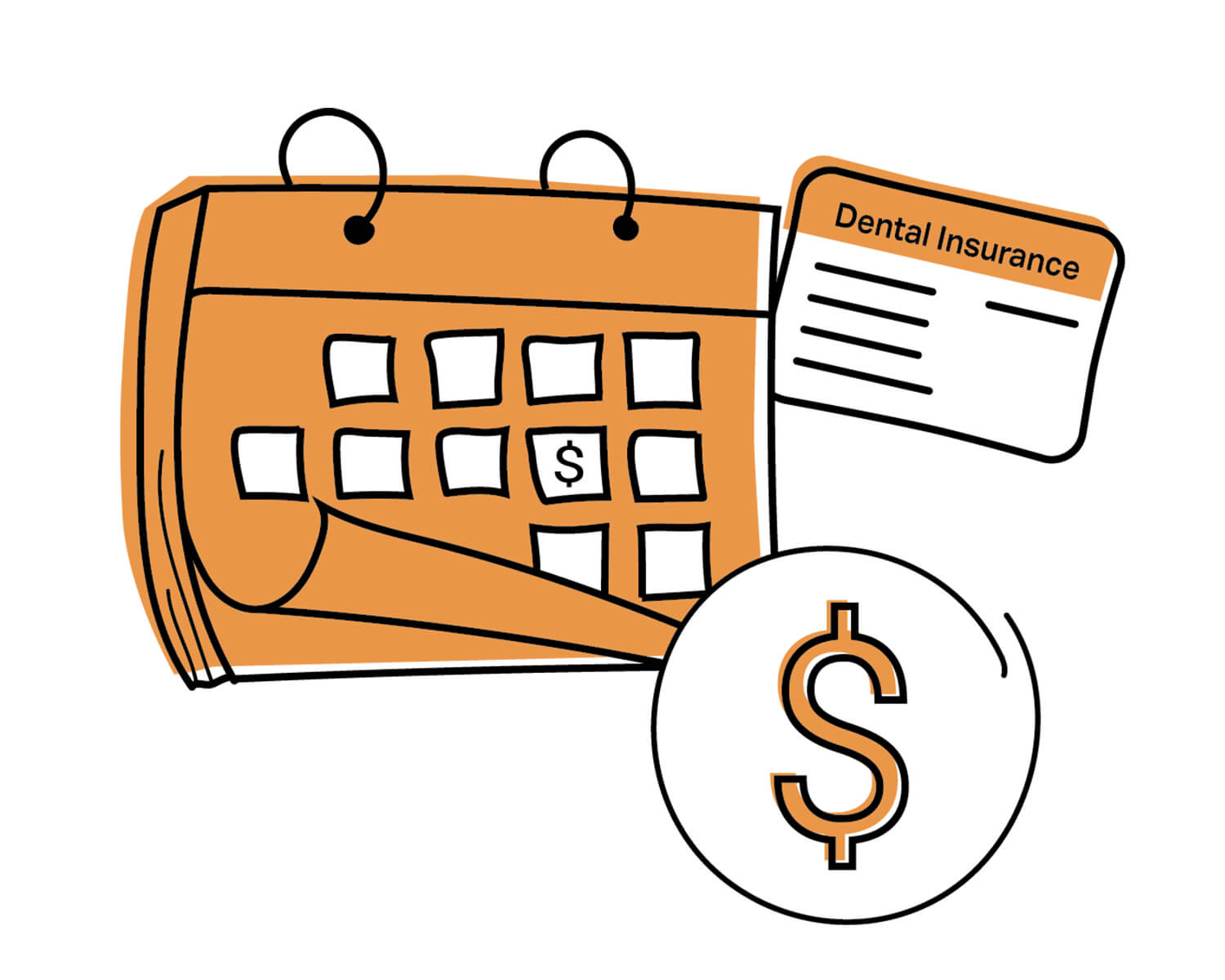
Emergency oral surgery costs vary depending on the procedure and urgency. Simple extractions or drainages cost less than complex fracture repairs or infections requiring anesthesia. Most oral surgery offices accept insurance and can estimate your out-of-pocket cost before treatment begins. For uninsured patients, many offer financing or same-day payment plans to make care affordable. Don’t delay treatment over cost, because early intervention often prevents more serious complications and higher expenses later. Call the office before your visit to discuss payment options and ensure you can get the help you need quickly.
La ayuda empieza aquí
When severe tooth pain, swelling, or facial injury strikes, you need expert help fast. An emergency oral surgeon can diagnose, treat, and stabilize your condition, often the same day.
Preguntas frecuentes
What’s the difference between an emergency dentist and an oral surgeon?
Dentists address routine issues such as cavities and chipped teeth. Oral surgeons treat trauma, fractures, infections, and surgical emergencies.
I think my jaw is broken! What should I do?
Go to an oral surgeon or ER immediately. These specialists safely repair facial and jaw fractures.
What should I do if my tooth gets knocked out?
Handle it by the crown, rinse gently, and try reinserting it, or keep it in milk.
My face is very swollen. Is this a surgical emergency?
If swelling affects your breathing, go to the ER right away. Otherwise, call an oral surgeon.
How can I stop bleeding after a tooth extraction?
Bite down on gauze for 30–60 minutes. If bleeding continues, contact your oral surgeon.
How much does emergency oral surgery cost?
It depends on the procedure and insurance coverage. Ask the surgeon’s office for an estimate.
What are the signs of a serious oral infection?
Severe pain, facial swelling, fever, and difficulty swallowing require immediate medical attention.
Can an emergency room handle a facial injury?
Yes. The ER can stabilize you and contact an on-call oral surgeon if needed.
Do I need a referral for emergency oral surgery?
Not in a true emergency, but call ahead, if possible, for faster care.
Información relacionada

¿Debe acudir a urgencias por dolor de muelas? Guía rápida
La conveniencia de acudir a urgencias por dolor de muelas depende de la gravedad del dolor y de los demás síntomas que experimentes. Sigue leyendo y te ayudaremos a decidir cómo aliviarte.

Cómo detener el sangrado después de la extracción del diente: Consejos fáciles para un alivio inmediato
Tras la extracción de un diente, es normal que se produzca una hemorragia en la zona, que suele remitir en 2-3 horas. Durante las primeras 24 horas suele seguir supurando suavemente (saliva rosada). A continuación encontrarás consejos para ayudar a detener la hemorragia y cómo diferenciar entre una recuperación normal y los signos que indican que debes llamar a tu dentista.

¿Por qué me duelen los dientes por la noche? 5 posibles razones y lo que puede hacer ahora mismo
Los problemas dentales suelen doler más por la noche porque al estar tumbado aumenta el flujo sanguíneo a la cabeza, lo que incrementa la presión y la sensibilidad. Otras causas comunes son el aumento de la presión en los senos paranasales y apretar y rechinar los dientes inconscientemente. Aunque la solución a largo plazo puede requerir una visita al dentista, hay medidas que puedes tomar inmediatamente para obtener cierto alivio.