






Find an Emergency Orthodontist Near You
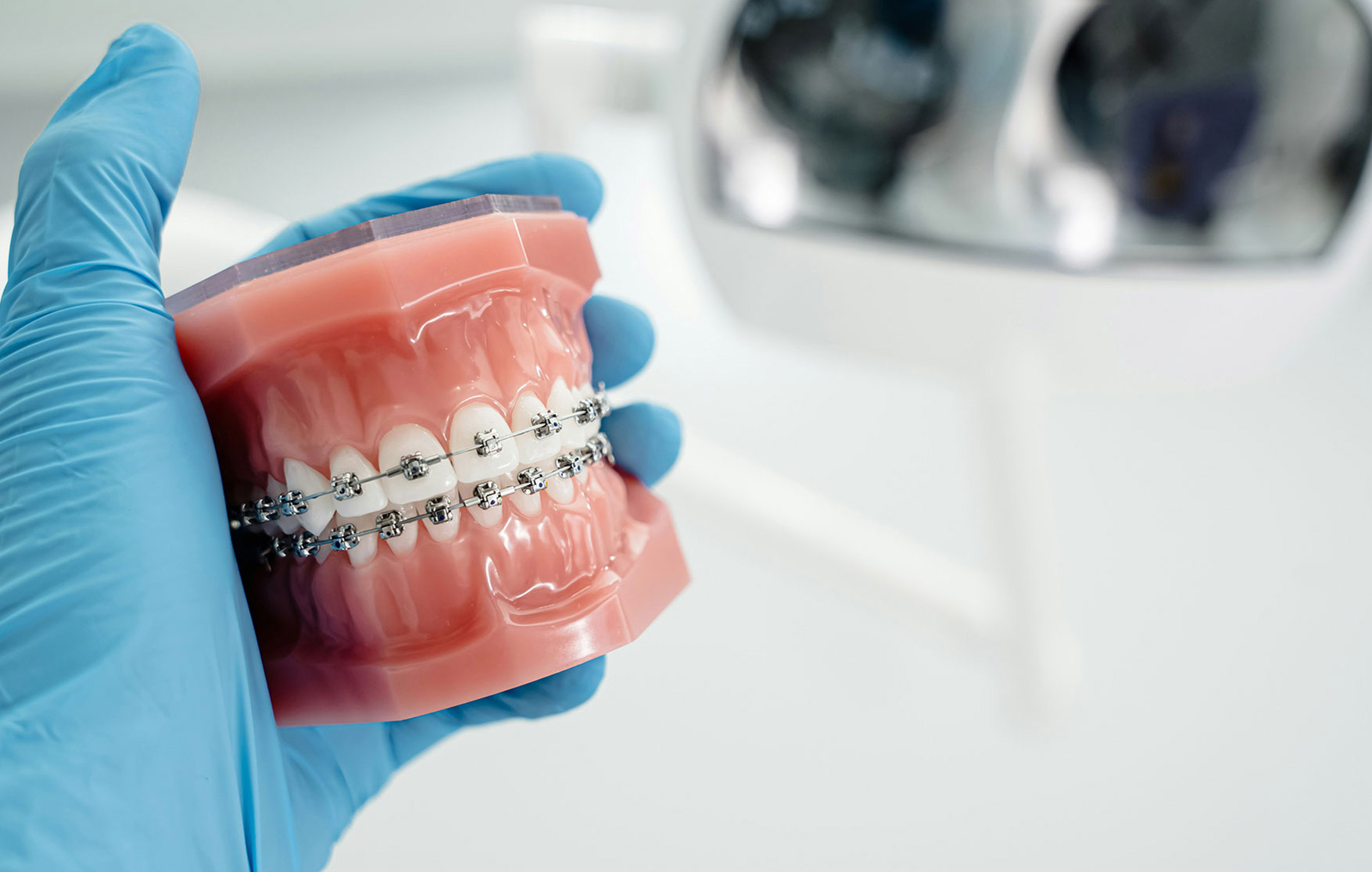
A broken bracket, poking wire, or cracked retainer can feel like an urgent problem, especially when it’s painful or disrupting your day. You don’t have to panic or wait it out. This page explains how to handle an orthodontic emergency, what you can do for quick relief at home, and how to find an emergency orthodontist near you for same-day repair.
Idioma
Cobertura
Tipo de asistencia
Cobertura
Idioma
Tipo de asistencia
Carga de consultas dentales...
Do I Need an Emergency Orthodontist?
Broken or Loose Brackets
Detached brackets irritate gums and slow tooth alignment.
Poking or Broken Wires
Sharp wires can scrape cheeks or tongue, causing discomfort.
Loose Orthodontic Bands
Bands coming off teeth must be reattached promptly.
Lost or Broken Retainers
Missing retainers lead to teeth shifting out of place.
Mouth Sores or Irritation
Braces rubbing cheeks or lips can create painful sores.
Trauma or Injury
Mouth or jaw impact needs immediate orthodontic attention.
What To Expect During Treatment from an Emergency Orthodontist
Consulte
Examine your braces, aligners, or retainers to identify the cause of discomfort.
Repair
Fix or adjust the appliance, trim wires, or replace broken parts.
Proteja
Get clear guidance on how to keep things comfortable until your next checkup.
Why You Shouldn’t Wait to Treat Orthodontic Problems
Even a minor orthodontic issue can escalate into a larger problem if left unaddressed. A broken bracket or loose wire can cause teeth to shift out of alignment, undoing months of progress. Waiting too long can also make future adjustments more painful or costly. The good news: most orthodontic emergencies are easy to fix, often in a quick visit. Acting fast keeps your treatment on track and helps you avoid extra time in braces or aligners. If something feels wrong, don’t wait. Call an emergency orthodontist near you and get it checked right away.
How to Stock an Orthodontic Emergency Kit
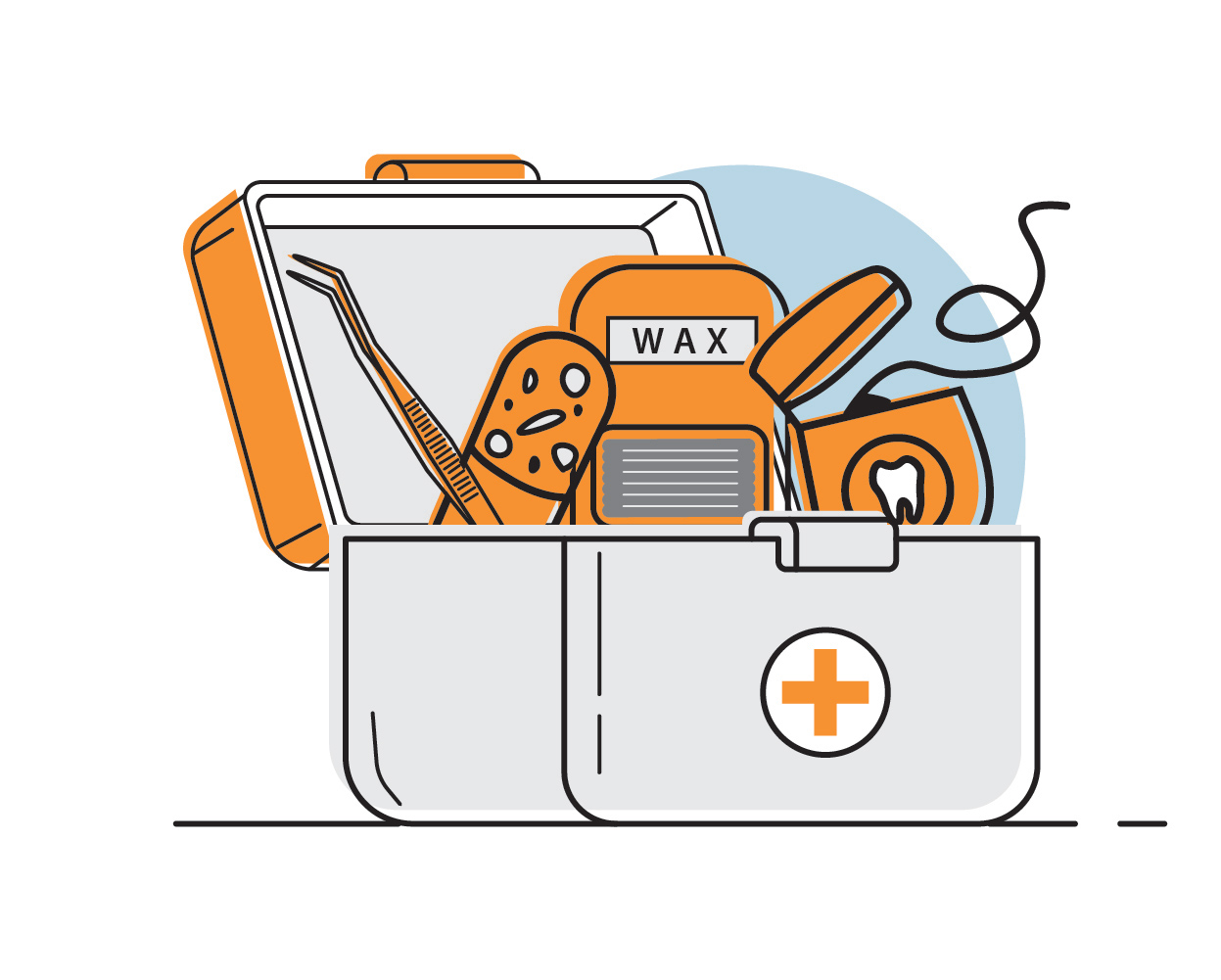
Being prepared can save you pain and stress. Keep a small kit stocked with orthodontic wax, dental floss, tweezers, a small mirror, and over-the-counter pain relievers. Wax covers poking wires and prevents irritation. Floss and tweezers help remove trapped food or reposition loose parts. A mirror helps you see what’s happening, especially for back teeth. Store one kit at home and another in your backpack, car, or locker so you’re ready wherever you may be. A few simple tools can make a big difference until you reach your emergency orthodontist.
Common Problems and How to Treat Them
Most orthodontic emergencies happen by accident, but many can be avoided. Hard, sticky, or chewy foods can break brackets or bend wires, so it’s best to skip eating caramels or popcorn, as well as chewing ice. Always wear a mouthguard during sports to protect your teeth and braces from impact. Follow your orthodontist’s cleaning and adjustment instructions carefully, since skipping appointments or over-tightening elastics can also cause problems. A little caution with eating, cleaning, and sports can help you stay comfortable and keep your treatment running smoothly.
What to Do in the First 30 Minutes
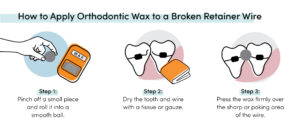
When something breaks or starts to hurt, take a moment to evaluate what’s happening. If you’re experiencing irritation, rinse the area with warm salt water to clean and soothe it. If a wire is poking you, cover it with orthodontic wax or gently push it back using a pencil eraser. For soreness, try a cold compress or an over-the-counter pain reliever. Once you’ve handled the immediate discomfort, call the orthodontist’s office to describe the problem. Many offices keep time open for same-day repairs, and quick action helps prevent lasting damage to your braces or teeth.
Cost, Insurance, and Payment Options
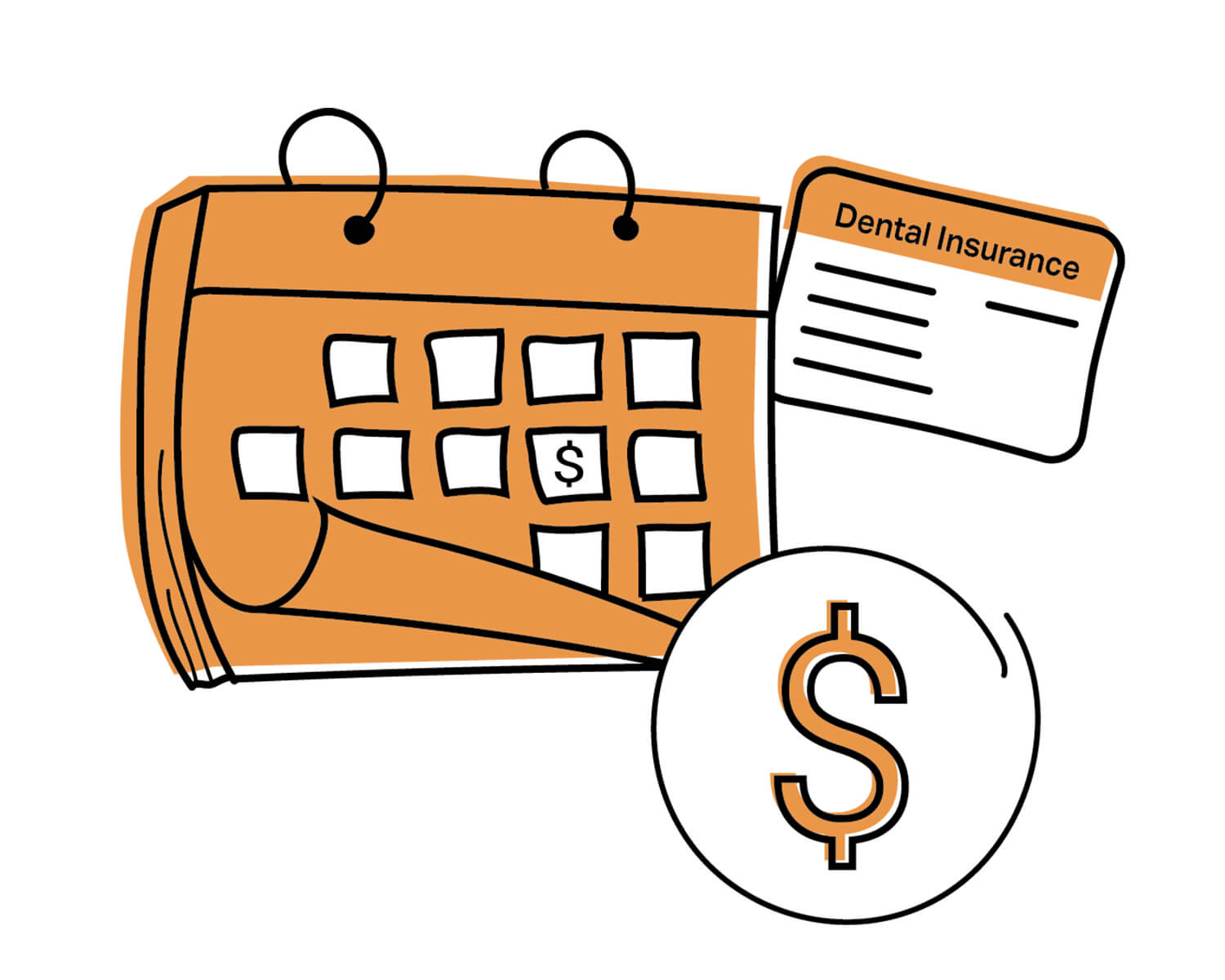
Emergency orthodontic visits vary in cost based on the treatment needed. Some repairs, such as trimming a wire or reattaching a bracket, are quick and inexpensive, while others may require more time or parts. Most orthodontic offices accept insurance and can provide a cost estimate before treatment. If you don’t have coverage, many offer payment plans or same-day discounts to make things manageable. The key is to call and ask about options before your appointment. Getting minor issues repaired early saves money over time by preventing more serious damage later.
La ayuda empieza aquí
You don’t have to suffer through broken wires or painful brackets. Find an emergency orthodontist near you today and get the help you need to stay on track with your treatment.
Preguntas frecuentes
What is considered an orthodontic emergency?
Major emergencies include severe pain, bleeding, or trauma. Minor issues, such as loose brackets, can often wait a day or two.
What should I do if a wire is poking me?
Try to gently push it back with a pencil eraser or cover it with orthodontic wax.
What if a bracket comes loose?
If it’s still attached to the wire, leave it in place and cover it with wax. If it falls off, save it and bring it to your orthodontist appointment.
My retainer is broken. What should I do?
Don’t try to wear it. Call your orthodontist for a replacement or repair appointment.
Should I go to the ER for an orthodontic problem?
Only if you have major trauma, heavy bleeding, or trouble breathing. Otherwise, call an orthodontist first.
How much does an emergency orthodontic visit cost?
It depends on the issue and repair type. Check with your orthodontist’s office for an estimate.
What can I eat if something breaks?
Stick to soft foods like soup, yogurt, or mashed potatoes until it’s fixed.
How can I relieve braces pain at home?
Orthodontic wax, warm saltwater rinses, or mild pain relievers can help ease discomfort.
What if I swallow a piece of my braces?
If you can’t breathe or feel pain in your throat, seek medical help immediately. Otherwise, it should pass naturally.
Do I need an emergency appointment if my rubber band breaks?
Usually not—just call your orthodontist for guidance or wait for your next visit.
Información relacionada

¿Debe acudir a urgencias por dolor de muelas? Guía rápida
La conveniencia de acudir a urgencias por dolor de muelas depende de la gravedad del dolor y de los demás síntomas que experimentes. Sigue leyendo y te ayudaremos a decidir cómo aliviarte.

Cómo detener el sangrado después de la extracción del diente: Consejos fáciles para un alivio inmediato
Tras la extracción de un diente, es normal que se produzca una hemorragia en la zona, que suele remitir en 2-3 horas. Durante las primeras 24 horas suele seguir supurando suavemente (saliva rosada). A continuación encontrarás consejos para ayudar a detener la hemorragia y cómo diferenciar entre una recuperación normal y los signos que indican que debes llamar a tu dentista.

¿Por qué me duelen los dientes por la noche? 5 posibles razones y lo que puede hacer ahora mismo
Los problemas dentales suelen doler más por la noche porque al estar tumbado aumenta el flujo sanguíneo a la cabeza, lo que incrementa la presión y la sensibilidad. Otras causas comunes son el aumento de la presión en los senos paranasales y apretar y rechinar los dientes inconscientemente. Aunque la solución a largo plazo puede requerir una visita al dentista, hay medidas que puedes tomar inmediatamente para obtener cierto alivio.