







Find an Emergency Pediatric Dentist Near You
If your child is in pain, every minute can feel like forever. Whether it’s a knocked-out tooth, sudden swelling, or a bad fall, an emergency pediatric dentist can help quickly, gently, and with care designed just for kids. This page explains what counts as a dental emergency, what to do before you arrive, and how to find a kids’ emergency dentist near you right now.
Idioma
Cobertura
Tipo de asistencia
Cobertura
Idioma
Tipo de asistencia
Carga de consultas dentales...
Do I Need an Emergency Pediatric Dentist?
Dolor de muelas intenso
Intense, persistent pain that keeps your child from eating or sleeping.
Knocked-Out Permanent Tooth
Completely dislodged and needs immediate attention.
Broken or Chipped Tooth
A fall or impact that exposes nerves or causes bleeding.
Object Caught Between Teeth
Food or debris stuck tightly and causing pain or swelling.
Bitten Lip or Tongue
Heavy bleeding or deep cuts inside the mouth after a bite or fall.
Possible Broken Jaw
Difficulty closing the mouth or moving the jaw after a hard impact.
What to Expect During an Emergency Visit
Evaluación
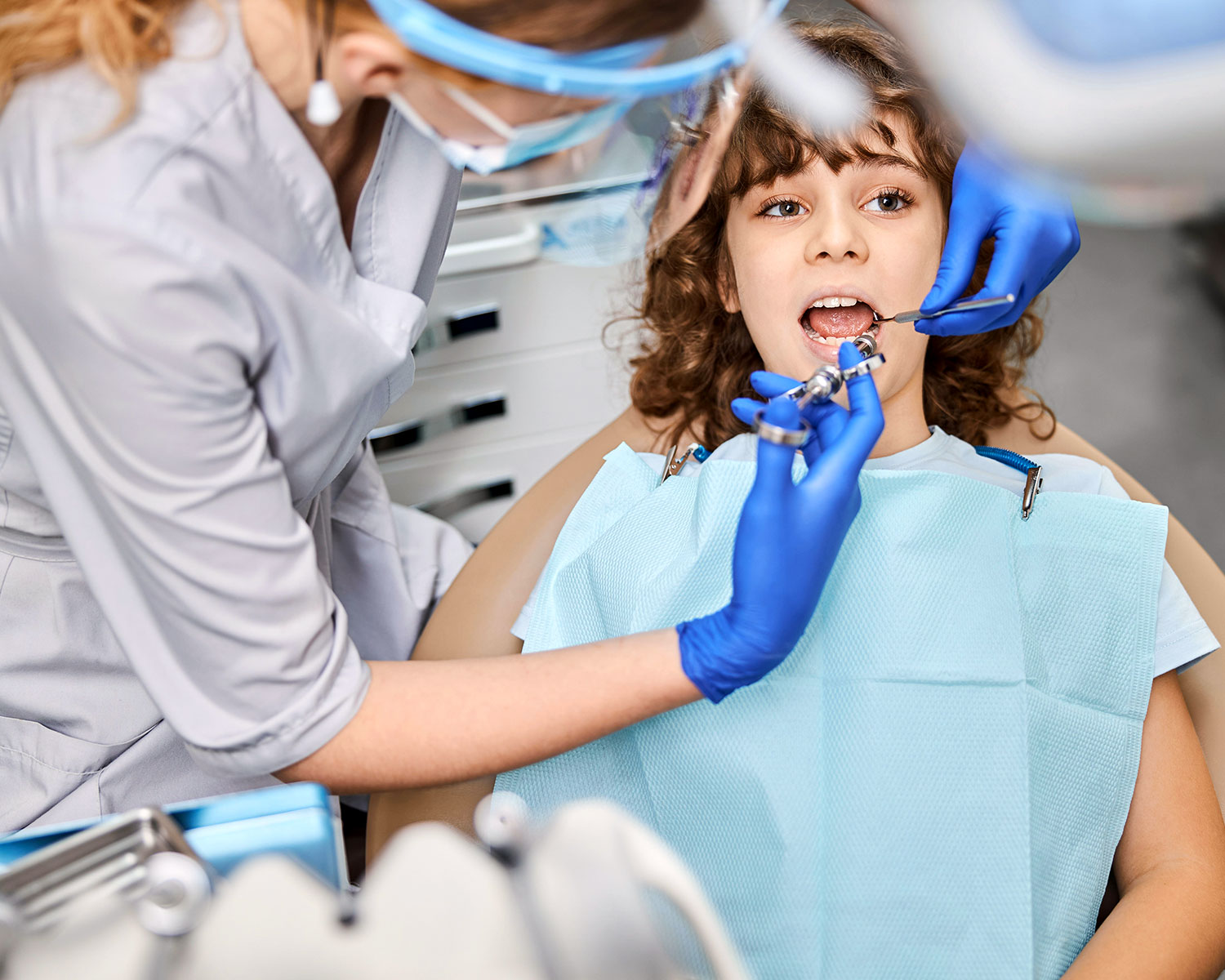
The dentist gently examines your child’s mouth and checks the injury.
Tratamiento
Pain is managed, teeth are stabilized, and damage is repaired when possible.
Protection
You’ll receive clear guidance for at-home care and follow-up visits.
Why You Shouldn’t Wait to Treat Dental Emergencies
Acting fast can make all the difference in saving a tooth and preventing serious pain or infection. Toothaches often mean infection or decay, which can spread if untreated. A knocked-out permanent tooth has the best chance of being saved within the first hour. Getting prompt care also helps reduce stress and lower costs down the road, since small issues can escalate quickly. The sooner your child is seen, the more comfortable they’ll feel. If you’re unsure whether it’s urgent, call an emergency pediatric dentist near you; they can walk you through the next steps.
First Aid Kit for Kids’ Dental Emergencies
A bit of preparation can make a scary moment less stressful. Keep a small dental first aid kit handy, with a clean container for knocked-out teeth, sterile gauze, a small cold pack, children’s acetaminophen, and the number of a local emergency dentist. Store one at home and a travel version in your car or diaper bag. Having these supplies ready helps you act quickly and confidently when contacting the dentist. When seconds count, such as after a tooth is knocked out, being prepared can protect your child’s smile and help you stay calm under pressure.
How to Keep Your Child Calm During a Dental Emergency
Children look to you for cues. Stay calm, speak softly, and reassure them that help is coming. Acknowledge their fear: say something like, “I know it hurts, but we’re going to a special doctor who knows how to fix it.” Offer comfort through touch, such as a hug or a hand to hold, and avoid using words like “shot” or “pain.” Keeping your tone steady helps your child stay grounded. The goal is to replace fear with trust, so the visit goes smoothly, and your child remembers feeling cared for, not scared.
Finding the Right Emergency Pediatric Dentist
Not all dentists are trained to treat children in emergencies. Pediatric dentists complete extra years of training to manage both the dental and emotional needs of young patients. When choosing one, ask about their emergency availability and after-hours contact options. Many keep time open for urgent cases or have on-call systems for nights and weekends. Dentistry.com makes it easy to find qualified pediatric dentists near you: just enter your ZIP code to connect with local offices. Quick action by a specialist ensures your child receives the safest, most comfortable care possible.
After the Emergency Visit: What Comes
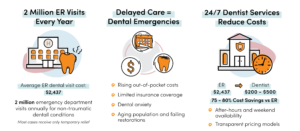
Emergency pediatric dental care costs vary depending on the treatment: replacing a filling or fixing a chipped tooth is less expensive than reimplanting a permanent tooth. Most pediatric dental offices accept insurance and can explain coverage before treatment. If you don’t have insurance, many offer payment plans or same-day discounts. Don’t wait because of cost concerns; early treatment prevents bigger problems and higher bills later. When you call to schedule, mention your insurance status so the staff can guide you on options. The priority is your child’s comfort and getting the right care fast.
Cost, Insurance, and Payment Options
Emergency oral surgery costs vary depending on the procedure and urgency. Simple extractions or drainages cost less than complex fracture repairs or infections requiring anesthesia. Most oral surgery offices accept insurance and can estimate your out-of-pocket cost before treatment begins. For uninsured patients, many offer financing or same-day payment plans to make care affordable. Don’t delay treatment over cost, because early intervention often prevents more serious complications and higher expenses later. Call the office before your visit to discuss payment options and ensure you can get the help you need quickly.
La ayuda empieza aquí
When a child’s dental emergency happens, you don’t have to face it alone. Find a caring pediatric dentist near you and get help right away.
Preguntas frecuentes
What is considered a pediatric dental emergency?
Any injury or pain that causes bleeding, swelling, or distress, such as a knocked-out or broken tooth.
My child knocked out a baby tooth. Is that an emergency?
Usually not, but don’t try to put it back. Call a dentist to check for other damage.
What should I do if my child knocks out a permanent tooth?
Pick it up by the crown, rinse gently, and place it back in the socket or in milk.
Should I take my child to the ER or a dentist?
Go to a dentist first for most dental issues. For a broken jaw or major swelling, go to the ER.
How can I manage my child’s pain at home?
Use a cold compress and children’s acetaminophen. Never give aspirin, because it can cause complications.
What if my child has a severe toothache?
Have them rinse with warm salt water, gently floss, and call a dentist if pain continues.
How can I prepare my child for an emergency visit?
Stay calm, use simple language, and remind them that the dentist is here to help.
Will insurance cover an emergency pediatric dental visit?
Most plans do, but coverage varies. Have your insurance information ready when you call.
What if it’s after hours or on a weekend?
Many pediatric dentists have on-call services. Dentistry.com can help you find one nearby.
What should I bring to the emergency appointment?
Bring the tooth, any broken fragments, your child’s medical info, and insurance details.
Información relacionada

¿Debe acudir a urgencias por dolor de muelas? Guía rápida
La conveniencia de acudir a urgencias por dolor de muelas depende de la gravedad del dolor y de los demás síntomas que experimentes. Sigue leyendo y te ayudaremos a decidir cómo aliviarte.

Cómo detener el sangrado después de la extracción del diente: Consejos fáciles para un alivio inmediato
Tras la extracción de un diente, es normal que se produzca una hemorragia en la zona, que suele remitir en 2-3 horas. Durante las primeras 24 horas suele seguir supurando suavemente (saliva rosada). A continuación encontrarás consejos para ayudar a detener la hemorragia y cómo diferenciar entre una recuperación normal y los signos que indican que debes llamar a tu dentista.

¿Por qué me duelen los dientes por la noche? 5 posibles razones y lo que puede hacer ahora mismo
Los problemas dentales suelen doler más por la noche porque al estar tumbado aumenta el flujo sanguíneo a la cabeza, lo que incrementa la presión y la sensibilidad. Otras causas comunes son el aumento de la presión en los senos paranasales y apretar y rechinar los dientes inconscientemente. Aunque la solución a largo plazo puede requerir una visita al dentista, hay medidas que puedes tomar inmediatamente para obtener cierto alivio.