Guide to Cracked Tooth Symptoms and Treatment
A cracked tooth can be confusing. The pain is often sharp, unpredictable, and difficult to pinpoint. One bite feels normal, the next sends a sudden jolt through your jaw. And sometimes the discomfort disappears completely, making it tempting to wait and hope it goes away. This guide explains how to recognize cracked tooth symptoms and what treatment options can protect your tooth before the damage becomes permanent.

Reviewed By Dr. Ehab Shahid, DMD, MAGD | November 2025 • 6 min Read
When Treatment for a Cracked Tooth May Be Required
Sharp Biting Pain
Sudden pain when chewing or releasing pressure.

Temperature Sensitivity
Quick, intense discomfort from hot or cold foods.

Intermittent Pain
Symptoms that come and go without a clear reason.

Pain After Hard Foods
Discomfort after biting something crunchy or tough.

Gum Tenderness or Swelling
Irritation around a specific tooth.

Worsening Symptoms
Pain increasing in frequency or intensity.
What to Expect During a Dental Visit for a Cracked Tooth

Evaluation
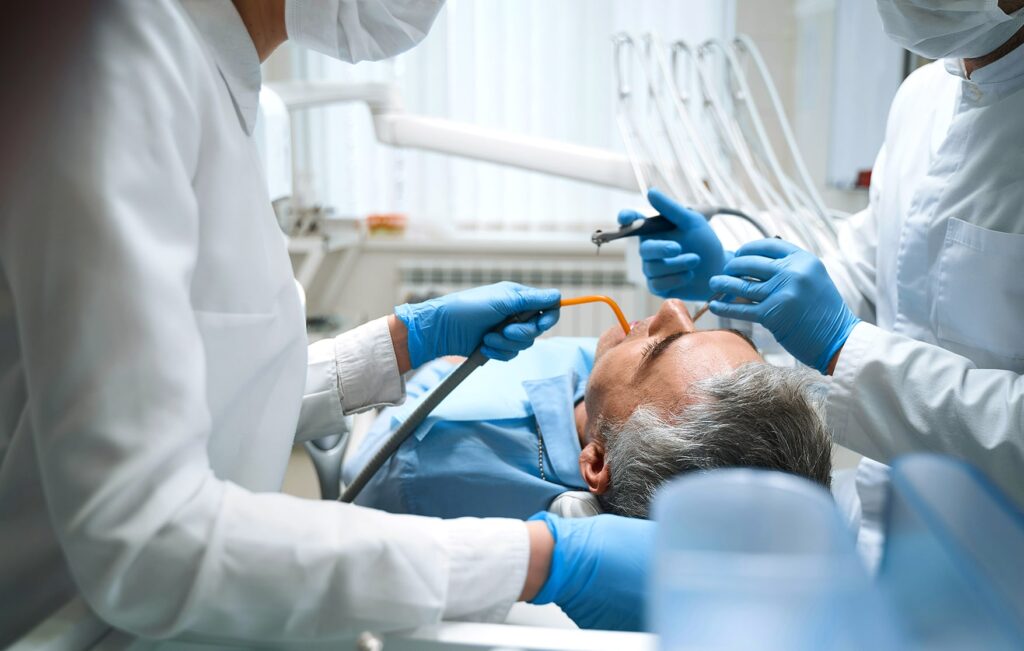
Your dentist reviews symptoms and may use bite tests and magnification to locate the crack.


Diagnosis
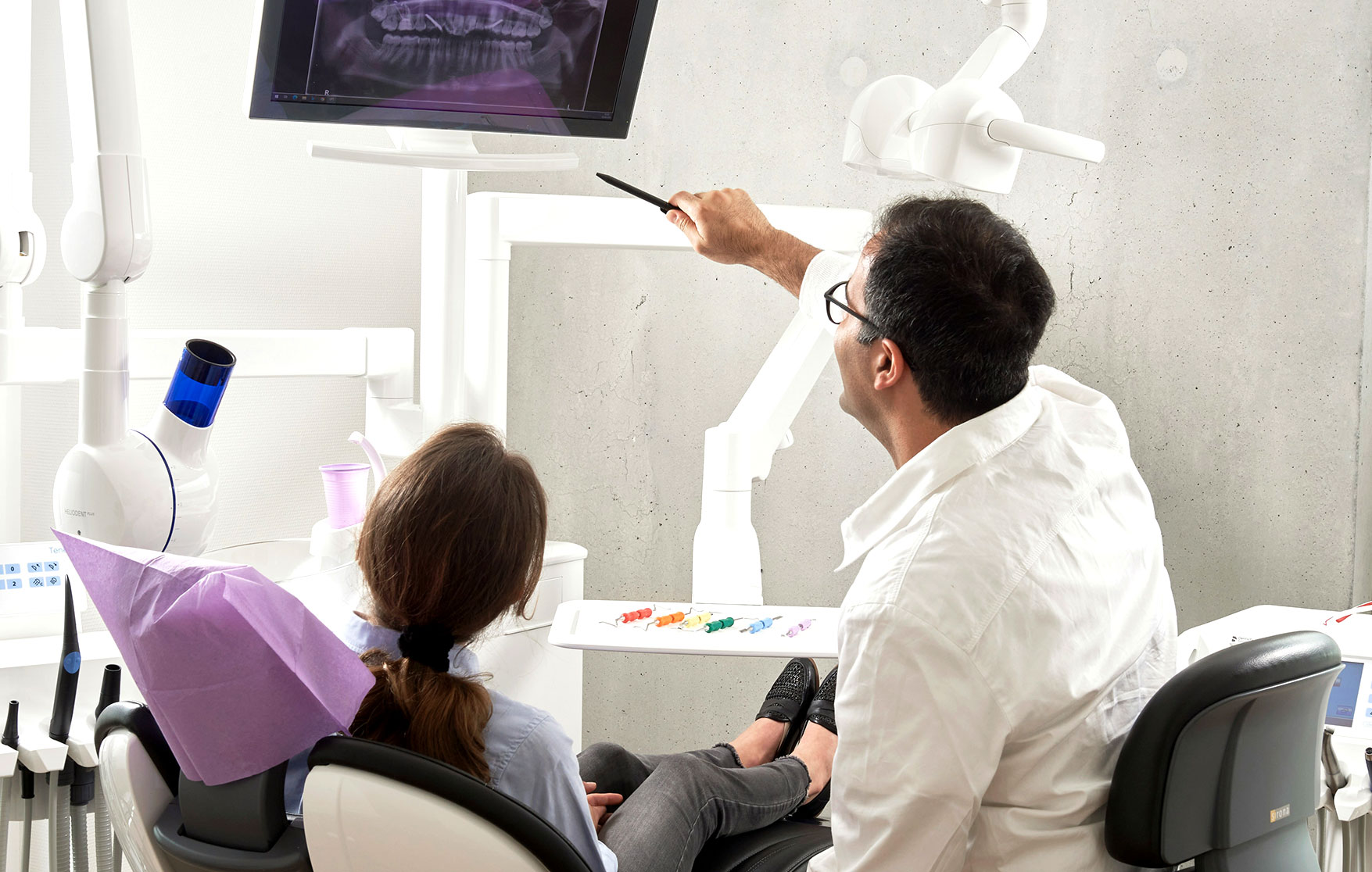
X-rays assess nerve and bone health, even if the crack itself is not visible.

Treatment Plan
Depending on severity, treatment may include bonding, a crown, a root canal, or extraction if the tooth cannot be saved.
Not All Tooth Cracks Are the Same
The term “cracked tooth” covers several conditions, and treatment depends entirely on the type and depth of the crack. Minor enamel lines are common and often cosmetic. A fractured cusp, where part of the chewing surface breaks, is typically repairable with a crown. A deeper crack that extends downward from the chewing surface requires prompt treatment to prevent infection. Severe cracks, such as a split tooth or a vertical root fracture below the gum line, may threaten the entire tooth.
Why You Shouldn’t Wait
A cracked tooth may not hurt constantly, but that doesn’t mean it’s stable. Each time you chew, pressure forces the crack to flex slightly, allowing bacteria to seep deeper. Over time, the crack can reach the nerve, leading to infection or abscess. What might have been treated with a simple crown can end up requiring a root canal or even an extraction. Pain that fades often signals nerve damage, not healing. Acting early gives your dentist more conservative options and helps prevent permanent structural damage or tooth loss.
How Dentists Find Cracks That Don’t Show on X-Rays
X-rays still play an important role in evaluating the nerve and surrounding bone for infection, but many cracks are invisible on standard X-rays, so dentists rely on multiple tools to confirm the diagnosis. You may be asked detailed questions about when pain occurs and what triggers it. Bite testing with a small instrument can reproduce the exact discomfort associated with cracks. Bright lighting and magnification help inspect the tooth surface closely. A harmless dental dye may also highlight subtle cracks.
Cracked Tooth Treatment Options
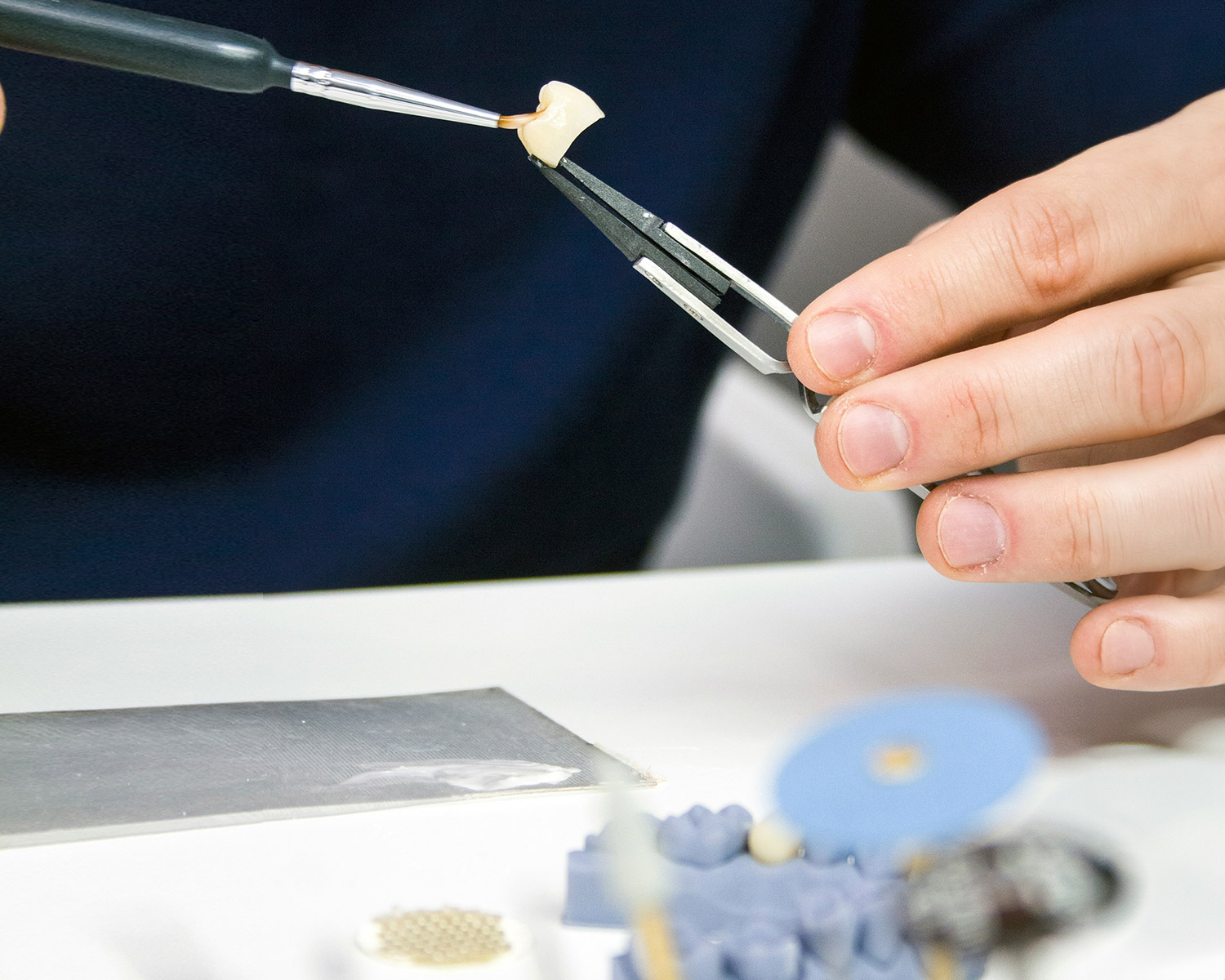
Treatment depends on how far the crack extends and whether the nerve is involved. Small surface cracks or fractured cusps may be repaired with bonding or a filling. A dental crown is the most common solution for stabilizing a cracked tooth, encasing it to prevent further splitting. If the crack reaches the pulp, a root canal is performed to remove infected tissue before a crown is placed for protection. If the crack extends below the gum line or completely splits the tooth, extraction may be necessary, often followed by an implant or a bridge. Early care typically means simpler treatment.
How to Manage Cracked Tooth Pain While Waiting
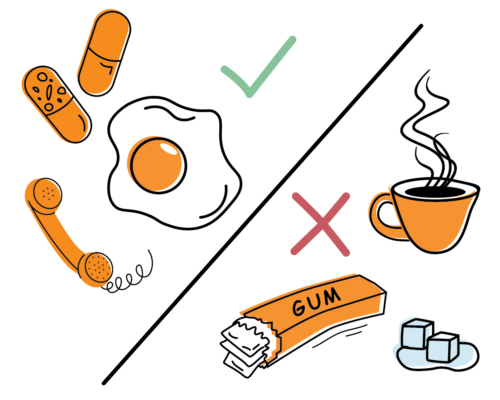
While waiting for your appointment, avoid chewing on the affected side and skip hard, sticky, or crunchy foods. Stay away from extreme hot or cold temperatures, as they can trigger sensitivity. Over-the-counter pain relievers such as ibuprofen or acetaminophen may reduce discomfort when taken as directed. A soft diet can minimize pressure on the tooth. If pain increases, swelling develops, or sensitivity becomes severe, contact a dentist promptly. Recurring pain is a sign that the crack is progressing.
Costs, Insurance, and Payment Options
Coverage for cracked tooth treatment varies depending on your dental insurance plan and the type of repair needed. Many dental offices provide clear cost estimates before treatment begins. If you don’t have insurance, ask about cash discounts, phased treatment plans, or financing options. Treating a crack early is often less expensive than managing complications later. A crown may prevent the need for a root canal or extraction. When you call the office, share your insurance status and ask about payment options so you can make an informed decision without delay.
Spotting and Preventing Complications
If left untreated, a cracked tooth can lead to infection, abscess, or complete structural failure. Watch for increasing pain, swelling, prolonged temperature sensitivity, or worsening pressure discomfort. After treatment, follow your dentist’s recommendations for protecting the restored tooth. Long-term prevention includes avoiding chewing ice or hard objects, wearing a nightguard if you grind your teeth, and maintaining routine dental visits. Early intervention is always less invasive than waiting until the crack spreads or the nerve becomes infected.
About Dr. Ehab Shahid, DMD, MAGD
Dr. Ehab Shahid is the lead clinician at Bergenfield Dental Associates, where he is dedicated to putting patients first. He believes every appointment should leave patients feeling heard, comfortable, and confident in their care, with a focus on maintaining healthy smiles for a lifetime.
Dr. Shahid is a Board-Certified Diplomate of the American Board of Oral Implantology and is committed to continuing education and clinical excellence. Actively engaged in the dental community, he strives to deliver high-quality care using the latest advancements in dentistry. He is a member of the American Dental Association (ADA), the American Board of Oral Implantology, the American Academy of Implant Dentistry, the New Jersey Dental Society, the Bergen County Dental Society, and the Bergen County Implantology Group.

Ask A Dentist: Dr. Dennis Rollins:
When is a tooth extraction an emergency and when it can wait?
Class aptent taciti sociosqu ad litora torquent per conubia nostra, per inceptos himenaeos. In hac habitasse platea dictumst. Aenean dignissim, nibh sed iaculis hendrerit, velit risus rhoncus massa, in dictum nulla lectus ac eros. Phasellus laoreet mauris turpis, eget varius nisl tempor nec. Fusce eget ante mattis diam blandit cursus. Vivamus dignissim est sit amet tellus venenatis varius.
Nunc blandit libero sit amet odio ornare, eget suscipit lacus blandit. Quisque bibendum laoreet convallis. Vestibulum vestibulum posuere risus at scelerisque. Vestibulum ante ipsum primis in faucibus orci luctus et ultrices posuere cubilia curae; Mauris sed sapien bibendum, maximus eros ut, volutpat erat.

Find Cracked Tooth Care Near You
Cracked teeth do not repair themselves. Early diagnosis protects your tooth and prevents unnecessary complications.
Frequently Asked Questions
Can a cracked tooth heal on its own?
No. Teeth don’t repair cracks the way bones do. Once a tooth cracks, it stays cracked. Dental treatment is needed to stop the damage from spreading or becoming infected.
What’s the difference between a crack and a “craze line”?
Craze lines are tiny surface marks in the enamel. They’re common, painless, and cosmetic. A true cracked tooth extends deeper into the tooth, causes symptoms, and needs professional treatment.
What happens if I ignore a cracked tooth?
Cracks tend to spread. Over time, bacteria can enter the tooth, leading to infection, a root canal, or even tooth loss. Pain that comes and goes often means the damage is progressing, not resolving.
How will a dentist treat my cracked tooth?
Treatment depends on how deep the crack goes. Small cracks may need bonding. Most cracked teeth need a crown to stabilize them. If the nerve is involved, a root canal is done before placing the crown.
Why does my cracked tooth only hurt sometimes?
Cracked teeth often hurt during chewing, especially when you release your bite. Pressure on the crack causes it to flex and irritate the nerve. The pain stopping doesn’t mean the crack is gone; it’s a key diagnostic sign.
How can I manage cracked tooth pain right now?
Avoid chewing on that side and skip hard or cold foods. Rinse gently with warm salt water and use over-the-counter pain relievers if needed. These steps help temporarily, but they don’t fix the crack.
Will I need a root canal for a cracked tooth?
Only if the crack reaches the pulp and the nerve becomes inflamed or infected. Many cracked teeth can be saved without a root canal when treated early.
Will my dentist have to remove the tooth?
Extraction is usually a last resort. Most cracked teeth can be saved with timely care. Removal is only necessary when the crack splits the tooth or extends deep below the gum line.
How does a dentist find a crack that doesn’t show on X-rays?
Dentists use a combination of bite tests, bright lights, magnification, and sometimes dental dye. These tools help locate cracks that aren’t visible on standard imaging.
How do I make an appointment for cracked tooth repair?
Use the Dentistry.com directory on this page to find a local dentist experienced in diagnosing cracked teeth. Contact the office directly to schedule an evaluation and discuss next steps.