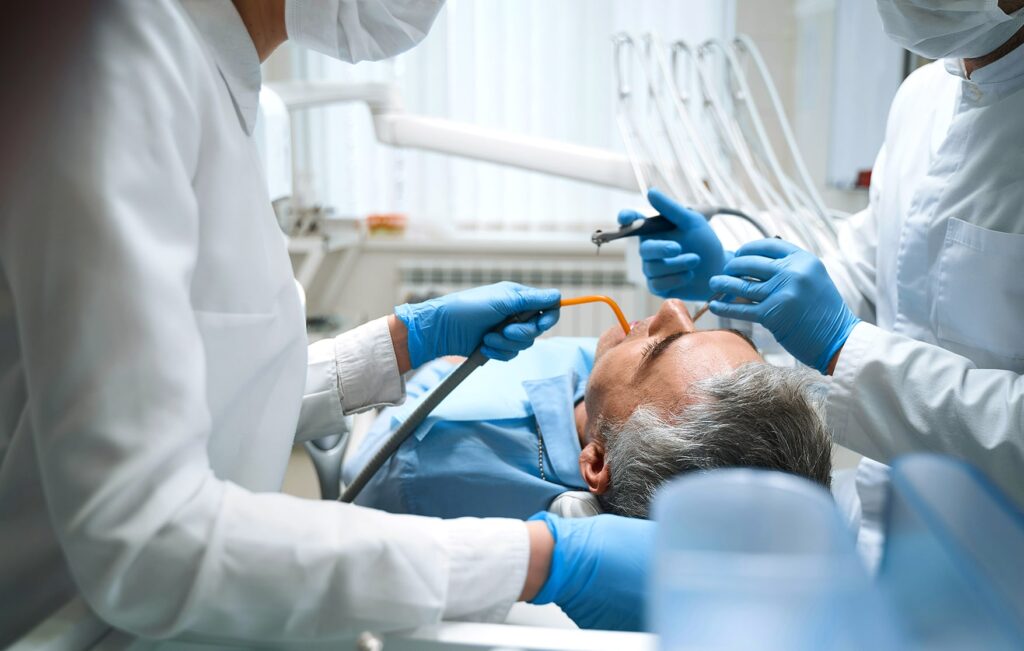
Toothache Relief: An In-Depth Guide
Severe tooth pain can stop you in your tracks. Whether it’s throbbing, sharp, or radiating into your jaw, a toothache means something deeper is wrong, and it won’t go away on its own. This guide walks you through what to do right now to relieve pain safely, what to avoid, and how to find a dentist for relief that lasts.

When You Might Need Emergency Dental Care
A toothache isn’t a diagnosis; it’s a symptom. When you arrive for your emergency visit, the dentist’s first goal is to find the exact cause of your pain.
Dental Abscess
A deep infection at the root of the tooth can cause severe, constant, throbbing pain, often with swelling or fever. This is a true emergency.

Deep Cavity or Decay
When a cavity reaches the inner pulp, the nerve becomes inflamed and highly sensitive to temperature or pressure.

Cracked or Broken Tooth
Sharp pain when biting or chewing can mean a fracture that is exposing the inner layers of the tooth.

Advanced Gum Disease
Persistent dull pain, bleeding gums, or swelling may point to a severe infection in the gums or bone around your teeth.
How Dentists Diagnose and Treat Toothache Pain
A toothache isn’t a diagnosis; it’s a symptom. When you arrive for your emergency visit, the dentist’s first goal is to find the exact cause of your pain.
- Evaluation
Describe your pain: what it feels like, when it started, and what makes it worse. The dentist will examine your teeth and gums for signs of swelling, cracks, or decay. - X-rays
Quick, focused X-rays help your dentist see whether you have an abscess, hidden cavity, or bone involvement. - Testing
Your dentist may gently tap on the tooth or use a cold stimulus to test nerve response. This helps pinpoint the problem tooth and determine whether the nerve is still alive. - Diagnosis and Treatment
Once the source is found, your dentist will explain the cause and next steps, whether that’s a filling, root canal, or extraction if the tooth can’t be saved.
What to Expect During Treatment

Numbing
The area is fully numbed with a topical gel and local anesthesia. You may feel pressure, but no pain.


Procedure
Depending on the diagnosis, the dentist may remove decay, clean out infection with a root canal, or extract the tooth if needed.

Relief and Recovery
You’ll leave with the source of the pain treated and clear aftercare instructions. Most patients feel significant relief immediately.
Why You Shouldn’t Wait
Pain is your body’s warning system, and when it comes to toothaches, it’s often signaling infection or injury inside your tooth or gums. Waiting too long can lead to the formation of an abscess, tooth loss, or, in rare cases, infection spreading into the jaw, face, or bloodstream. Getting care early prevents these complications and relieves pain faster. If symptoms suddenly worsen or if your pain disappears after being severe, it could mean the nerve has died, and the infection is advancing. Call a dentist immediately.
ER or Dentist? How to Decide
Go straight to the ER if you have:
- Facial swelling that makes it hard to breathe, swallow, or open your mouth.
- Fever and chills combined with severe dental pain.
- Major trauma to your jaw or face.
Call a dentist for:
- Severe toothache or abscess without breathing issues.
- Cracked, chipped, or broken teeth.
- Lost fillings or crowns are causing pain.
If you’re unsure, start by calling a 24-hour dentist. They can advise whether you need immediate hospital care or urgent dental treatment.
For help finding a dentist in your area, click here or call us at (888) 597-3896.
Your Emergency Dentist Call Script
When you contact the office, say:
“Hi, I have a dental emergency. I’m in severe pain and need to be seen as soon as possible.”
Dentists hear this every day, and most offices reserve same-day slots for urgent cases! If it’s after hours, many practices have an on-call dentist who can help you find the nearest open location.
Immediate Toothache Relief: What You Can Safely Do at Home
If you can’t see a dentist right away, these short-term steps can ease pain safely and effectively:
- Take an over-the-counter pain reliever: Non-prescription anti-inflammatories like ibuprofen (Advil, Motrin) are often effective because they reduce swelling around the nerve. If you can’t take ibuprofen, acetaminophen (Tylenol) can also help.
- Rinse with warm salt water: Mix ½ teaspoon of salt into 8 ounces of warm water. Swish gently for 30 seconds, then spit it out. This cleans the area and helps reduce inflammation.
- Apply a cold compress: Hold a cold pack or a bag of frozen peas wrapped in a towel against your cheek for 15 minutes at a time. This helps reduce swelling and numbs the area.
- Elevate your head if the pain worsens at night: Lying flat increases pressure in the inflamed area. Sleep with your head propped on two or three pillows to help reduce the throbbing.
- Try clove oil for numbing: Clove oil contains eugenol, a natural anesthetic. Dip a cotton ball in a few drops, then dab gently on the affected tooth, avoiding the gums and tongue, which can become irritated.
- Do not put aspirin directly on the tooth or gum: This old “home remedy” can cause serious burns to gum tissue. Also, avoid applying heat; it can worsen infection and swelling.
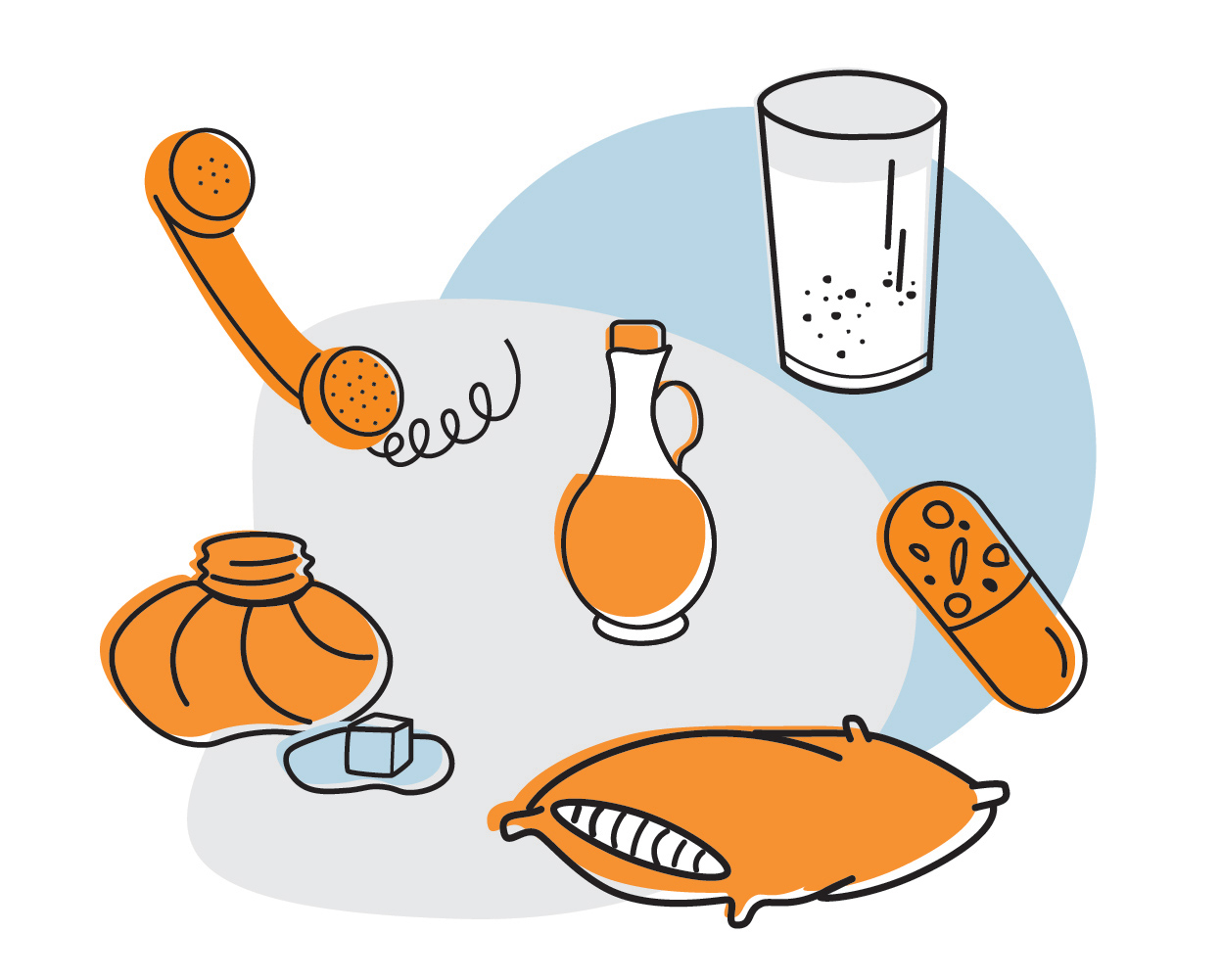
Toothache Relief at 2 A.M.: A Step-by-Step Plan
- Take an over-the-counter pain reliever (ibuprofen or acetaminophen).
- Apply a cold compress to the cheek for 15 minutes.
- Rinse gently with warm salt water.
- Prop up your head with pillows to ease pressure.
- Use clove oil for numbing.
- Find a local dentist using our directory and call when offices open.
These steps won’t fix the problem, but they can make the night bearable until you get professional care.
Costs, Insurance, and Payment Options
Emergency visits can happen unexpectedly. Most dental offices accept insurance, and many offer payment plans, cash discounts, or in-house membership programs that lower fees. If you don’t have coverage, ask when you call: offices are used to helping patients find affordable solutions fast. Don’t delay care because of cost, because an infection can worsen and become more expensive over time.

About Dr. Ehab Shahid, DMD, MAGD
Dr. Ehab Shahid is the lead clinician at Bergenfield Dental Associates, where he is dedicated to putting patients first. He believes every appointment should leave patients feeling heard, comfortable, and confident in their care, with a focus on maintaining healthy smiles for a lifetime.
Dr. Shahid is a Board-Certified Diplomate of the American Board of Oral Implantology and is committed to continuing education and clinical excellence. Actively engaged in the dental community, he strives to deliver high-quality care using the latest advancements in dentistry. He is a member of the American Dental Association (ADA), the American Board of Oral Implantology, the American Academy of Implant Dentistry, the New Jersey Dental Society, the Bergen County Dental Society, and the Bergen County Implantology Group.

Ask A Dentist: Dr. Dennis Rollins:
When is a tooth extraction an emergency and when it can wait?
Class aptent taciti sociosqu ad litora torquent per conubia nostra, per inceptos himenaeos. In hac habitasse platea dictumst. Aenean dignissim, nibh sed iaculis hendrerit, velit risus rhoncus massa, in dictum nulla lectus ac eros. Phasellus laoreet mauris turpis, eget varius nisl tempor nec. Fusce eget ante mattis diam blandit cursus. Vivamus dignissim est sit amet tellus venenatis varius.
Nunc blandit libero sit amet odio ornare, eget suscipit lacus blandit. Quisque bibendum laoreet convallis. Vestibulum vestibulum posuere risus at scelerisque. Vestibulum ante ipsum primis in faucibus orci luctus et ultrices posuere cubilia curae; Mauris sed sapien bibendum, maximus eros ut, volutpat erat.

Find Toothache Relife Near You
Tooth pain never waits for a convenient time. Don’t suffer through another night. Call now to schedule an emergency visit with a local dentist and get real relief.
Frequently Asked Questions
What’s the fastest way to stop a toothache?
Take an anti-inflammatory, such as ibuprofen, and apply a cold compress for 15 minutes. This combination often works fastest.
Why does it hurt more at night?
Lying flat increases blood pressure around the inflamed nerve. Elevate your head to ease the pain.
Can I use clove oil?
Yes, use a cotton ball to dab a few drops only on the painful tooth. Apply with care to avoid your gums and tongue.
Will the pain go away by itself?
No. Even if it fades temporarily, the underlying cause (infection or decay) will worsen without treatment.
Is it safe to use a hydrogen peroxide rinse?
Yes, when diluted. Mix one part 3% hydrogen peroxide with two parts water. Swish for 30 seconds, then spit it out.
Can antibiotics fix the problem?
No. They can reduce infection but not remove its cause. You’ll still need a dental exam and treatment.
What should I avoid?
Never put aspirin on your gum or tooth, and don’t use heat. Both can cause serious tissue damage or worsen infection.
My severe toothache suddenly stopped. Am I okay?
No. This often means the nerve died. The infection remains and can spread. See a dentist immediately.
How do I get an emergency appointment?
Use our directory to find a local dentist and call. Tell them you’re in severe pain, and they’ll prioritize your visit.