
Why Does My Tooth Hurt at Night? 5 Possible Reasons and What You Can Do Right Now

Reviewed By Dr. Dennis Rollins, DDO |
July 2025 • 6 min Read
Reviewed By Dr. Dennis Rollins, DDO | July 2025 • 6 min Read
Dental problems often feel more painful at night because lying down increases blood flow to the head, which heightens pressure and sensitivity. Other common causes include increased sinus pressure and unconscious jaw clenching and teeth grinding.
While the long-term solution may require a visit to the dentist, there are measures you can take immediately to get some relief.
What to Do Right Now
| Method | Instructions | Why It Helps |
|---|---|---|
| Elevate your head | Sleep with an extra pillow or sit slightly upright. | This reduces blood pressure to the head, which eases throbbing pain. |
| Apply a cold compress | Hold an ice pack or wrapped frozen towel to your cheek. 15 minutes on, 15 minutes off, repeat. | This numbs the area while also decreasing inflammation. |
| Take over-the-counter pain reliever | Use ibuprofen or acetaminophen as directed on the package. | This provides systemic relief from pain and swelling. |
| Gently rinse with salt water | Mix half a teaspoon of salt into 8 ounces of warm water. Gently swish that solution for 30 seconds and then gently spit it out. | This cleans the affected area while reducing irritation. |
| Avoid trigger foods and beverages | Don’t eat or drink anything hot, cold, sugary, or acidic. | This helps prevent sharp pain caused by nerve stimulation. |
| Instructions | Why It Helps |
|---|---|
| Elevate your head | |
| Sleep with an extra pillow or sit slightly upright. | This reduces blood pressure to the head, which eases throbbing pain. |
| Apply a cold compress | |
| Hold an ice pack or wrapped frozen towel to your cheek. 15 minutes on, 15 minutes off, repeat. | This numbs the area while also decreasing inflammation. |
| Take over-the-counter pain reliever | |
| Use ibuprofen or acetaminophen as directed on the package. | This provides systemic relief from pain and swelling. |
| Gently rinse with salt water | |
| Mix half a teaspoon of salt into 8 ounces of warm water. Gently swish that solution for 30 seconds and then gently spit it out. | This cleans the affected area while reducing irritation. |
| Avoid trigger foods and beverages | |
| Don’t eat or drink anything hot, cold, sugary, or acidic. | This helps prevent sharp pain caused by nerve stimulation. |
What Not to Do
Some so-called home remedies can actually make things worse.
- Don’t place aspirin or painkillers directly on the affected tooth or gums. This can cause chemical burns.
- Don’t swish with alcohol, peroxide, or bleach, all of which can damage tissue and intensify pain.
- Don’t rinse with hot or cold water, because extreme temperatures can shock an exposed tooth nerve.
Most importantly, don’t ignore the problem. The cause of your pain is not going to go away on its own. Seeing a dentist sooner than later will bring you relief and keep things from getting worse—and more expensive.
5 Possible Causes of Tooth Pain at Night
Blood Flow Changes When Lying Down
- Why it hurts at night: Reclining increases blood flow to your head and face, which can amplify discomfort caused by an underlying issue, such as a cavity or an infection.
- Long-term solution: Visit a dentist to get the underlying cause of the pain treated.
Deep Cavities
- Why it hurts at night: A cavity that reaches the inner layers of a tooth can irritate or expose the nerve, causing pain that can be more noticeable in quiet moments.
- Long-term solution: Dental restoration such as fillings, crowns, or—in severe cases—a root canal will protect the nerve, restore tooth structure, and stop the pain.
Dental Abscess
- Why it hurts at night: Infection causes swelling and pressure, which worsens when lying down.
- Long-term solution: A dentist will drain the abscess, treat the infection with antibiotics if needed, and restore or remove the affected tooth.
Sinus Pressure
- Why it hurts at night: Congestion in the sinuses can put painful pressure on your upper teeth, often peaking when you lie down.
- Long-term solution: Treat the underlying sinus issue with safe, over-the-counter medication and allergy management as recommended by your healthcare provider. If the problem persists, visit an ear, nose, and throat doctor.
Teeth Grinding (Bruxism)
- Why it hurts at night: Clenching or grinding in your sleep strains your teeth and jaw muscles, causing pain. Bruxism is often triggered by stress.
- Long-term solution: Use a custom night guard to cushion your teeth and redistribute the pressure from grinding or clenching. Do what you can to reduce stress and visit a dentist to treat any dental damage.

Tips on Managing Bruxism by Managing Stress
Reducing unconscious clenching and grinding by reducing stress is easier said than done. Below are some methods worth trying.
- Practice relaxation techniques – Deep breathing, meditation, or progressive muscle relaxation before bed can help calm your nervous system.
- Exercise regularly – Physical activity lowers stress hormones and relieves muscle tension.
- Establish a bedtime routine – A consistent and soothing set of nightly actions helps tell your body that it’s time to wind down.
- Limit caffeine and alcohol – Both can inhibit sleep and increase stress.
- Gently stretch and massage your jaw – Doing this before sleep helps release tension.
Describing Your Pain to the Dentist
Providing your dentist with a clear and detailed description of your symptoms will enable a faster and more accurate diagnosis, leading to more effective treatment. Ahead of your appointment, ask yourself the following questions.
- Is my pain sharp or dull? Is it throbbing or steady?
- Is my pain in one tooth or several? Does it radiate to my jaw, ear, or head?
- Is it triggered by hot, cold, sweet, or acidic foods or drinks? What about chewing or biting?
- Does it hurt every night or just occasionally? Does it hurt during the day?
- On a scale of 1-10, how would I rate the intensity of my pain?
- Am I experiencing any other symptoms, like swelling, sensitivity to touch, bad taste, or fever?
If it might be helpful to you, write down your answers to help ensure you communicate everything clearly to your dentist.
Relief is Available
The good news is that all the causes of nightly tooth pain listed above are common, and four of them can be taken care of by a dentist. (The fifth, sinus pressure, has different solutions, which we’ve discussed above.) The only roadblock to relief is waiting to make that appointment. If you, like many, struggle with anxiety around dental treatment, consider the following tips.
Choose the Appointment Time That’s Right for You
Many find it best to visit the dentist early in the morning, so that they can get it done and avoid spending the day worrying about it.
Bring Emotional Support
Having a trusted friend or family member at the appointment with you can help you stay calm.
Communicate Your Anxiety to Your Dentist
You can do this verbally, or by bringing a note to present at the start of your appointment. Dentists and their teams are trained to help patients who experience anxiety. Many offer laughing gas or other sedation methods to help you relax during your treatment.
Ask All Your Questions
Ensure you understand exactly what your appointment entails.
Practice Deep Breathing
Before and during treatment, focus on taking slow, full breaths.
Focus on the Relief to Come
Think about how enjoyable it will be to sleep without tooth pain and remember that visiting the dentist is the way to achieve that goal.
For help finding a dentist in your area, click here or call us at (888) 597-3896.
Need Help Caring for Tooth Pain?
Related Information

How Much Is a Dentist Visit Without Insurance? Exact Costs Explained
Below, you’ll find a breakdown of typical out-of-pocket costs for common dental procedures, along with the reasons behind these costs. Keep in mind that these costs can vary significantly based on your location, the dentist’s experience, the materials used, and the complexity of the procedure.
Should You Go to the ER for Tooth Pain? A Quick Guide
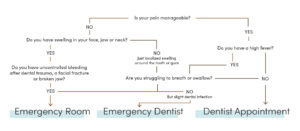
Whether you should go to the ER for tooth pain depends on the severity of your pain and what other symptoms you’re experiencing. Read on for help deciding how to find relief.
How to Stop Bleeding After Tooth Extraction: Easy Tips for Immediate Relief
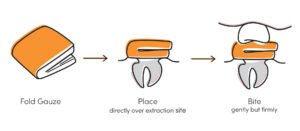
After a tooth extraction, some bleeding at the site is normal and will usually slow down within 2-3 hours. Gentle oozing (think pink saliva) will often continue for the first 24 hours. Below you’ll find tips for helping to stop the bleeding, and how to tell the difference between normal recovery and signs that you should call your dentist.