Immediate At-Home Relief That Actually Helps
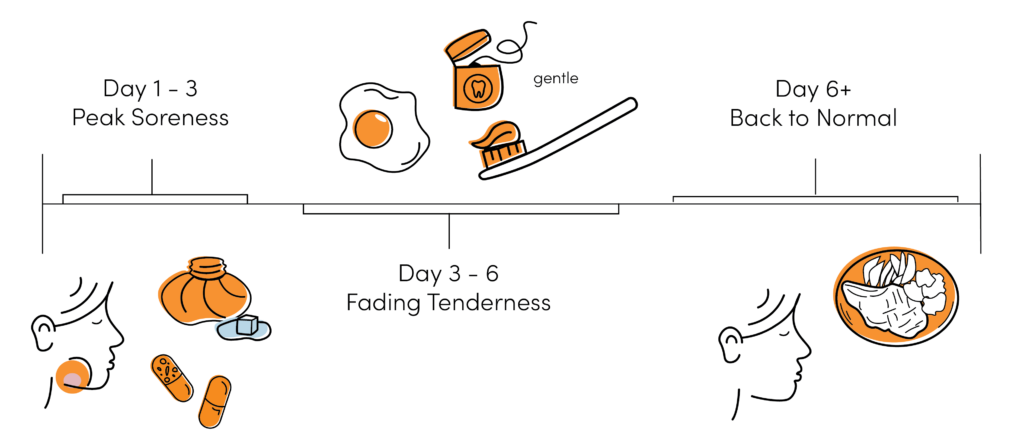
While healing, these steps can significantly reduce discomfort:
- Anti-inflammatory medication: Ibuprofen is often more effective than acetaminophen because it reduces inflammation; follow dosage instructions or your dentist’s guidance
- Cold compress: Apply to the outside of the face for 10–15 minutes at a time during the first 24–48 hours
- Avoid chewing on that side: Especially if you have a temporary filling or crown
- Soft foods only: Skip crunchy, sticky, or hard foods until cleared by your dentist
- Gentle oral hygiene: Brush and floss carefully around the area to avoid gum irritation
These steps help with symptoms, but they don’t replace a follow-up visit if pain persists.
The “When to Call” Decision Guide
Use this as a quick check to decide your next step.
Usually normal, monitor for 24
- Dull ache that’s slowly improving
- Mild tenderness when chewing
- Jaw soreness
- No swelling or fever
Call your dentist for an adjustment
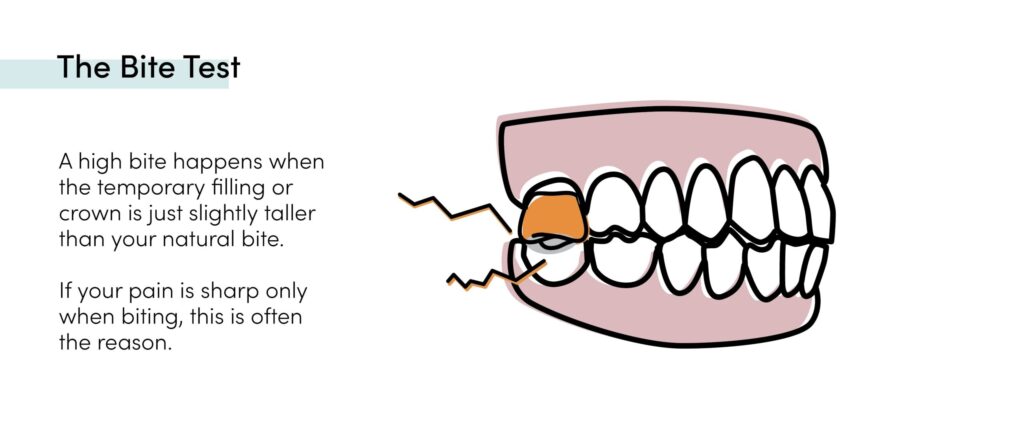
- Sharp pain when biting
- Pain that feels worse when you release your bite
- Pain that hasn’t improved after 3–5 days
A bite adjustment can often resolve this quickly.
Call your dentist urgently
- Throbbing pain that’s getting worse
- Visible swelling in the gums or face
- Fever or chills
- Bad taste or drainage near the tooth
- Pain that wakes you up at night
These can indicate infection and should be checked promptly.
Other Reasons Pain Can Feel Confusing
Sometimes the treated tooth isn’t the real source of discomfort.
- Referred pain: Nearby teeth or sinus pressure can make it feel like the root-canal tooth is hurting
- TMJ or muscle soreness: Jaw joints and muscles can ache after long appointments, mimicking tooth pain
- Temporary crown sensitivity: Temporary materials don’t seal as tightly as permanent restorations
This is another reason follow-up exams matter: your dentist can pinpoint the true cause.
Why Waiting Too Long Can Make Things Worse
Pain that comes and goes can create a false sense of reassurance. But persistent inflammation or infection won’t resolve on its own.
Delaying a check can turn:
- A simple bite adjustment into prolonged pain
- Mild inflammation into infection
- A treatable issue into retreatment or more complex care
Calling doesn’t mean something went wrong; it means you’re protecting the work that was already done.
How Dentistry.com Helps If You’re Unsure What to Do
If you’re worried about your recovery or not getting clear answers, Dentistry.com can help you:
- Find a dentist or endodontist for follow-up evaluations
- Get a second opinion when pain doesn’t feel right
- Locate care quickly if symptoms escalate
- Understand next steps before anxiety takes over
Sometimes peace of mind comes from hearing, “This is normal.” Other times, it comes from fixing a small issue early.
Your Next Step
Some soreness after a root canal is expected. Throbbing that improves is usually part of healing. Pain that persists, worsens, or feels sharp when biting deserves a call.
If something feels off, trust that instinct.
Dentistry.com can connect you with a local dentist who can evaluate your recovery, adjust your bite if needed, or address infection concerns before they escalate.
Healing shouldn’t feel like guesswork. Get clarity, and get comfortable again.
Click here or call us at (888)597-3896 for help finding a dentist near you.