Throbbing Pain After Root Canal: What Is Normal?
Revisado por Dr. Dennis Rollins, DDO |
Julio de 2025 - 6 min Leer
Reviewed By Dr. Dennis Rollins, DDO | Julio 2025 - 6 min Read
You finally got through the root canal. The nerve is gone; the procedure is over. So why does your tooth still throb?
If you’re feeling aching, soreness, or pulsing pain after a root canal, you’re not alone, and in many cases, what you’re experiencing is part of a normal healing process. Still, it’s hard not to worry about whether something went wrong.
This guide explains what normal root canal recovery pain feels like, how long it usually lasts, why a “nerve-less” tooth can still hurt, what you can do at home for relief, and the specific warning signs that mean it’s time to call your dentist back.
First, Reassurance: Some Pain After a Root Canal Is Normal
A root canal is a surgical procedure. Your body needs time to heal.
For most people:
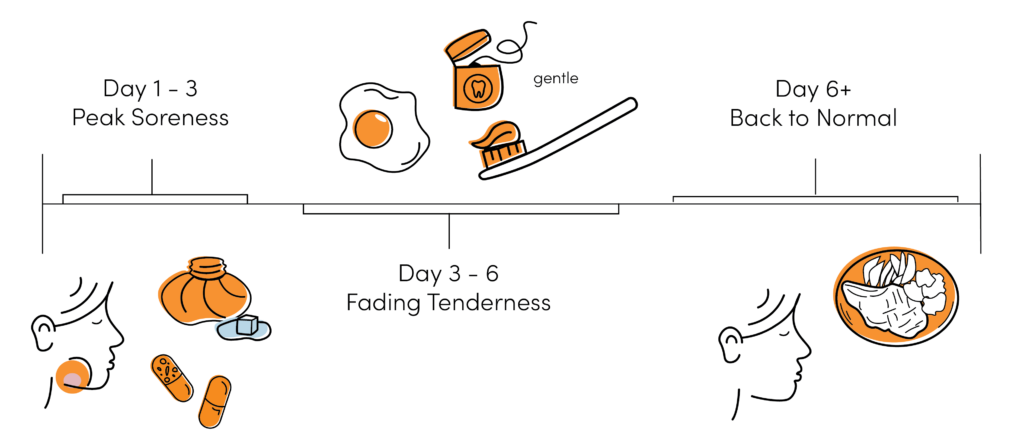
- Discomfort peaks within the first 48–72 hours
- Soreness gradually improves over 3–5 days
- Mild tenderness can linger for a week or two, especially when chewing
Pain that is improving, even slowly, is usually a good sign. Pain that stays the same or worsens needs attention.
Why a Tooth Without a Nerve Can Still Throb
The pain after a root canal usually does not come from inside the tooth. It comes from the tissues around it. This is the part most people don’t expect.
Think of the tooth like a post set into the ground. During a root canal, the dentist cleans and seals the inside of the post, but the surrounding “soil” still gets irritated.
That surrounding tissue is called the periodontal ligament, and it:
- Holds the tooth in place
- Absorbs pressure when you bite
- Becomes inflamed during treatment
A helpful analogy: A root canal can leave the area feeling like a bruise. Bruises throb, ache, and feel tender—especially when pressure is applied—even though nothing is “wrong” structurally.
What Normal Root Canal Recovery Pain Feels Like
Typical, expected symptoms include:
- A dull ache or throbbing
- Tenderness when biting or chewing
- Sensitivity around the gum
- Jaw soreness from keeping your mouth open
- Mild swelling near the tooth
These symptoms should slowly improve day by day.
A Very Common (and Easily Fixed) Cause: A “High Bite”
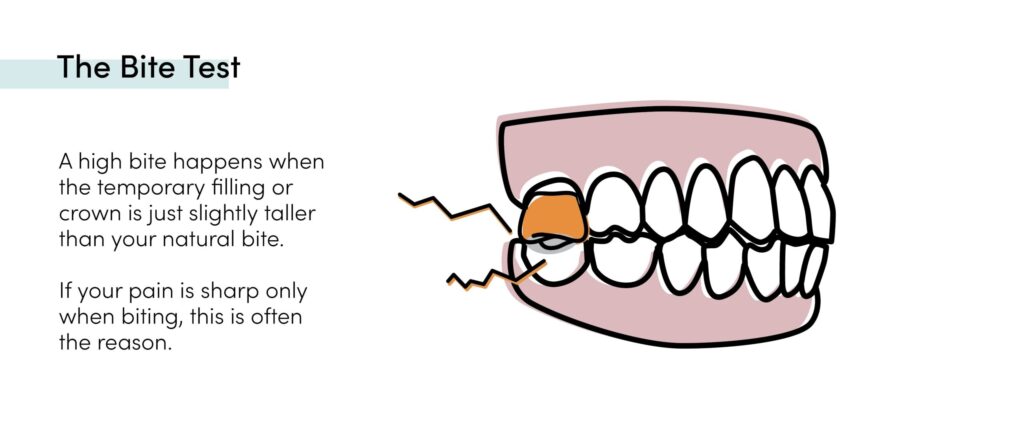
One of the most common reasons pain persists after a root canal is also one of the simplest to fix. If your pain is sharp and occurs only when biting, this is often the reason.
A high bite happens when the temporary filling or crown is just slightly taller than your natural bite. That tiny difference can cause:
- Sharp pain when chewing
- Throbbing after meals
- Pain that doesn’t improve after several days
Because the tooth is already inflamed, additional pressure can continue to irritate the ligament. The fix is quick: your dentist adjusts the bite, so the tooth isn’t hitting first.
Immediate At-Home Relief That Actually Helps
While healing, these steps can significantly reduce discomfort:
- Anti-inflammatory medication: Ibuprofen is often more effective than acetaminophen because it reduces inflammation; follow dosage instructions or your dentist’s guidance
- Cold compress: Apply to the outside of the face for 10–15 minutes at a time during the first 24–48 hours
- Avoid chewing on that side: Especially if you have a temporary filling or crown
- Soft foods only: Skip crunchy, sticky, or hard foods until cleared by your dentist
- Gentle oral hygiene: Brush and floss carefully around the area to avoid gum irritation
These steps help with symptoms, but they don’t replace a follow-up visit if pain persists.
The “When to Call” Decision Guide
Use this as a quick check to decide your next step.
Usually normal, monitor for 24
- Dull ache that’s slowly improving
- Mild tenderness when chewing
- Jaw soreness
- No swelling or fever
Call your dentist for an adjustment
- Sharp pain when biting
- Pain that feels worse when you release your bite
- Pain that hasn’t improved after 3–5 days
A bite adjustment can often resolve this quickly.
Call your dentist urgently
- Throbbing pain that’s getting worse
- Visible swelling in the gums or face
- Fever or chills
- Bad taste or drainage near the tooth
- Pain that wakes you up at night
These can indicate infection and should be checked promptly.
Other Reasons Pain Can Feel Confusing
Sometimes the treated tooth isn’t the real source of discomfort.
- Referred pain: Nearby teeth or sinus pressure can make it feel like the root-canal tooth is hurting
- TMJ or muscle soreness: Jaw joints and muscles can ache after long appointments, mimicking tooth pain
- Temporary crown sensitivity: Temporary materials don’t seal as tightly as permanent restorations
This is another reason follow-up exams matter: your dentist can pinpoint the true cause.
Why Waiting Too Long Can Make Things Worse
Pain that comes and goes can create a false sense of reassurance. But persistent inflammation or infection won’t resolve on its own.
Delaying a check can turn:
- A simple bite adjustment into prolonged pain
- Mild inflammation into infection
- A treatable issue into retreatment or more complex care
Calling doesn’t mean something went wrong; it means you’re protecting the work that was already done.
How Dentistry.com Helps If You’re Unsure What to Do
If you’re worried about your recovery or not getting clear answers, Dentistry.com can help you:
- Find a dentist or endodontist for follow-up evaluations
- Get a second opinion when pain doesn’t feel right
- Locate care quickly if symptoms escalate
- Understand next steps before anxiety takes over
Sometimes peace of mind comes from hearing, “This is normal.” Other times, it comes from fixing a small issue early.
Your Next Step
Some soreness after a root canal is expected. Throbbing that improves is usually part of healing. Pain that persists, worsens, or feels sharp when biting deserves a call.
If something feels off, trust that instinct.
Dentistry.com can connect you with a local dentist who can evaluate your recovery, adjust your bite if needed, or address infection concerns before they escalate.
Healing shouldn’t feel like guesswork. Get clarity, and get comfortable again.
Haga clic en aquí o llámenos al (888)597-3896 para encontrar un dentista cerca de ti.

Need Help Caring for Pain After a Root Canal?
Información relacionada

Broken Permanent Retainer: Is It a Dental Emergency?
While a broken bonded retainer is rarely a medical emergency, you should make a dental appointment to prevent discomfort and tooth movement. Most dentists can usually solve the problem with a simple bonding fix.

Emergency Dentist Cost Without Insurance: Prices and Affordable Solutions
The first step in relieving acute tooth pain is an emergency dental exam. Without insurance, this typically costs $100-$300 dollars.
That appointment will allow for immediate pain management. If needed, you and the dental team can plan for additional treatment and discuss ways to break up the cost over time.

Rising Dental Emergencies Fuel Growth in After-Hours and Weekend Dentist Services
According to the American Dental Association, about 2 million people visit emergency departments each year for non-traumatic dental conditions. At first glance, a trip to the emergency room for a tooth problem might seem excessive, but many people simply don’t have other immediate options when severe dental pain hits.