If You Can’t Reinsert the Tooth
Keeping the tooth moist is the next most important factor. Place the tooth in one of the following:
- Milk: The best common option. Avoid water, because it damages root cells and reduces the tooth’s survival rate.
- The person’s saliva: Have them spit into a clean container
- Inside the cheek: Only for older children/adults (risk of swallowing for young kids)
- A tooth preservation kit: Like Save-A-Tooth, if you have one
When the Patient Is a Child: Is the Tooth a Baby Tooth?
If the knocked-out tooth is a baby tooth, do not try to reinsert it. Replanting a baby tooth can damage the developing adult tooth underneath. That said, it’s still important to call a dentist right away to assess the injury.
The “Golden Hour”: Why Time Matters So Much
A knocked-out tooth has the highest chance of survival when replanted within 30–60 minutes. After that, root cells begin to die at a rate that makes successful reattachment far less likely. Think of this as the tooth’s “golden hour”: every minute counts.
Find an emergency dentist near you now by calling (888) 597-3896 or click here to enter your zip code.
Step-by-Step: What to Do on the Way to the Dentist
The adrenaline rush makes details easy to forget. Here’s your short, simple guide of what to do:
- Tooth stored in milk, saliva, or a preservation kit.
- Gauze or cloth to apply pressure and so control bleeding.
- Patient’s ID and insurance card.
- Driver (if the patient is a minor or in too much pain to drive safely).
- A container or cup (if saliva is the storage medium).
What to Expect at the Dentist
Emergency treatment for a knocked-out tooth usually includes:
- Cleaning and Replanting the Tooth: If you couldn’t reinsert it, the dentist will.
- Splinting the Tooth: A soft wire or resin splint holds the tooth in place for 1–2 weeks.
- Follow-Up Care: Within days, the dentist may check for:
- Infection
- Nerve damage
- The need for a root canal (common in adult teeth after trauma)
What If You’re Alone and Can’t Drive?
- If possible, reinsert the tooth yourself, then call a ride.
- If reinsertion isn’t possible, store it in milk and call a neighbor, friend, or rideshare immediately.
- Do not delay treatment to arrange perfect logistics: speed matters more than anything.
How to Talk to a Dentist When You Call
Reduce the stress of explaining the situation with a simple script: “Hi, I have a knocked-out tooth. It was lost less than an hour ago. I have the tooth and it’s stored safely in milk. Can you see me immediately for reimplantation?”
If the office can’t take you, ask: “Can you refer me to a nearby dentist who handles tooth avulsions urgently?”
Your Quick “Save the Tooth” Checklist
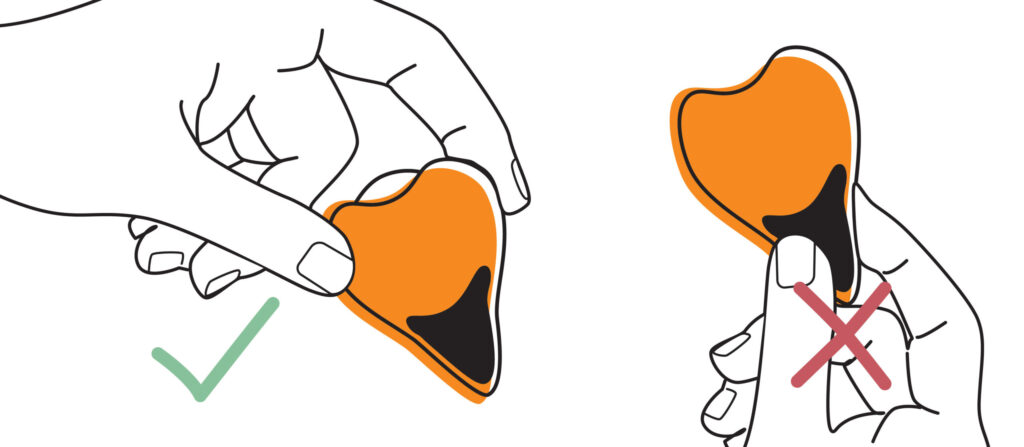
- Handle the tooth only by the crown.
- Rinse gently—don’t scrub.
- Reinsert the tooth if possible.
- If not, store in milk or saliva (not water).
- Get to a dentist within 30–60 minutes.
- Search for a dentist who treats avulsed teeth immediately.
Need a Dentist Right Now?
Not every dental office can handle knocked-out teeth, and time is ticking. Enter your ZIP code here or call (888) 597-3896 to connect with a dentist who can treat dental trauma immediately.