


10 remedios caseros efectivos para el dolor de los dientes de sabiduría (alivio rápido)
Revisado por Dr. Dennis Rollins, DDO |
Julio de 2025 - 6 min Leer
Reviewed By Dr. Dennis Rollins, DDO | Julio 2025 - 6 min Read
Si el dolor de los dientes molares superiores te impide dormir por la noche o te dificulta comer, no estás solo. Cuando estos dientes posteriores se salen (o quedan atrapados debajo de la encía), pueden causar dolor punzante, hinchazón y sensibilidad. La buena noticia es que algunos remedios caseros naturales y seguros pueden brindar alivio rápido y temporal hasta que puedas visitar al dentista.
In this guide, you’ll find the most effective home remedies for wisdom tooth pain, step-by-step instructions for using them safely, and a clear checklist to know when it’s time to stop home care and call a dentist.
Why Wisdom Teeth Hurt
Wisdom tooth pain can stem from several causes and knowing which kind you’re dealing with helps you choose the right home remedy.
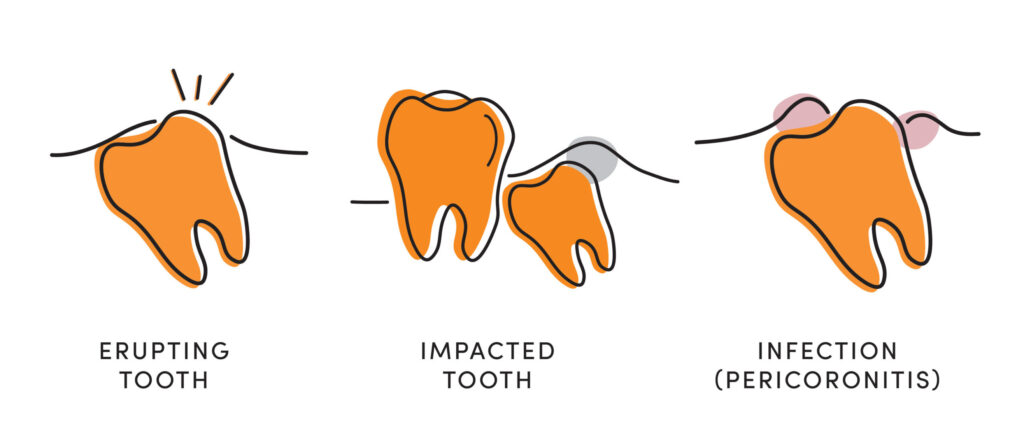
- Erupting tooth: Pressure and inflammation as the tooth pushes through the gums.
- Impacted tooth: A tooth trapped under the gum or bone, pressing on neighboring teeth.
- Infection (Pericoronitis): Bacteria trapped under a gum flap around a partially erupted tooth.
Mild swelling or soreness often improves with home care. But if your pain worsens or spreads, it’s time to see a professional.
Home Remedies by Type of Relief
For Numbing the Pain
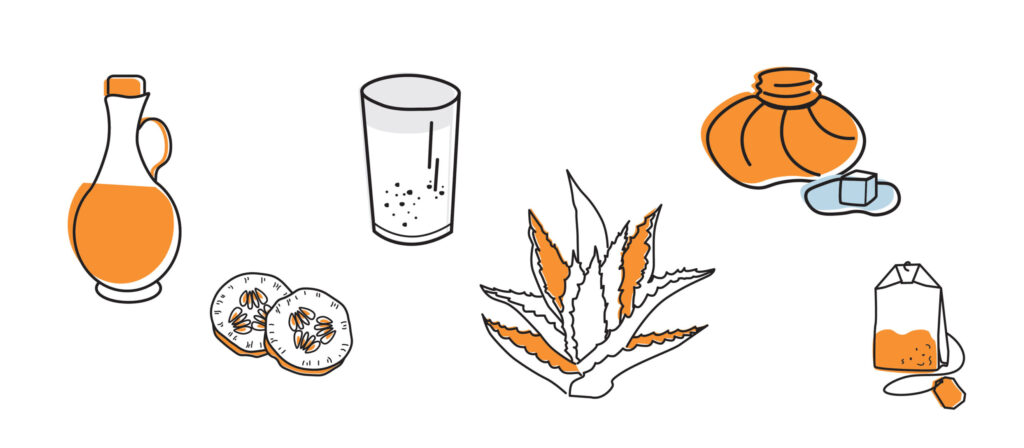
1. Clove Oil
Clove oil contains eugenol, a natural anesthetic that helps dull tooth pain.
How to use:
- Mix 1 drop of clove oil with 1 teaspoon of olive or coconut oil.
- Dip a cotton swab in the mixture and gently dab the sore area.
- Reapply every few hours as needed.
- Never use undiluted clove oil, as it can irritate or burn gum tissue.
2. Cold Compress
Cold therapy reduces pain and swelling by numbing the area.
How to use:
- Wrap an ice pack or a bag of frozen peas in a soft cloth.
- Hold it to your cheek for 15–20 minutes, then rest for 10 minutes.
- Repeat as needed throughout the day.
For Reducing Swelling and Inflammation
3. Saltwater Rinse
A gentle salt rinse helps draw out bacteria and reduce inflammation.
How to use:
- Dissolve ½ teaspoon of salt in 1 cup of warm water.
- Swish around your mouth for 30 seconds, then spit out (don’t swallow).
- Repeat 2–3 times a day.
4. Peppermint Tea Bags
Peppermint contains mild numbing compounds and tannins that soothe gums.
How to use:
- Steep a tea bag in hot water, then cool it in the fridge for 10 minutes.
- Apply the chilled bag directly to the sore gum for 10–15 minutes.
5. Aloe Vera Gel
Aloe’s anti-inflammatory and healing properties can calm irritated gums.
How to use:
- Use pure aloe vera gel (with no added alcohol or fragrance).
- Apply directly to the affected area with clean fingers.
- Rinse after 5–10 minutes.
For Cleaning and Disinfecting
6. Hydrogen Peroxide Rinse
Kills bacteria and helps reduce gum inflammation around partially erupted teeth.
How to use:
- Mix 1 part 3% hydrogen peroxide with 1 part water.
- Swish gently for 20–30 seconds, then rinse with plain water.
- Do not swallow.
7. Warm Salt + Baking Soda Paste
Baking soda neutralizes acids and may help reduce gum inflammation.
How to use:
- Mix 1 teaspoon of baking soda with a few drops of warm water into a paste.
- Apply directly to the sore gum for 1–2 minutes, then rinse thoroughly.
For Soothing and Calming
8. Chamomile Tea Rinse
Chamomile reduces inflammation and muscle tension around the jaw.
How to use:
- Brew a cup of chamomile tea, let it cool, and use it as a mouth rinse.
- You can also apply a cooled tea bag to the sore area for direct relief.
9. Cucumber or Potato Slice Compress
Natural coolants that gently soothe sore gums.
How to use:
- Chill thin slices in the refrigerator.
- Place directly over the affected gum for 5–10 minutes.
10. Essential Oil Steam
If swelling makes your jaw feel stiff, inhaling warm steam can ease muscle tension.
How to use:
- Add 1 drop of peppermint or eucalyptus oil to a bowl of hot water.
- Lean over with a towel over your head and breathe slowly for 5 minutes.
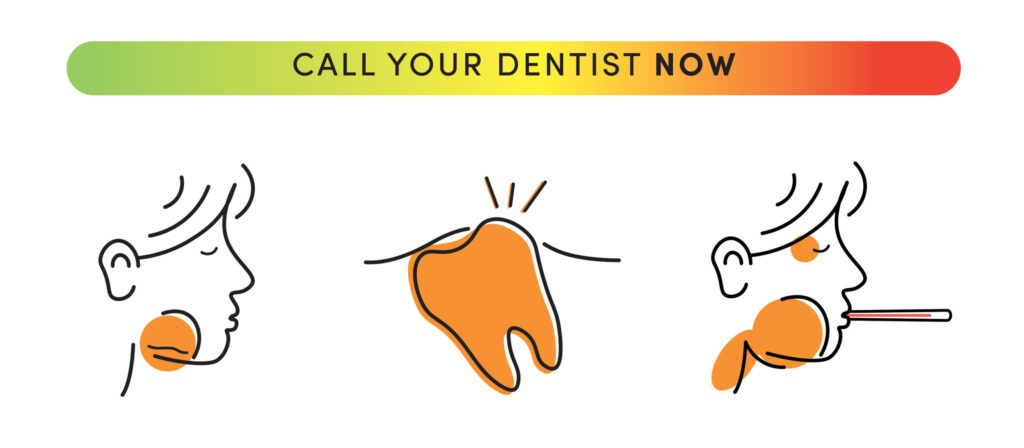
Stop and Call Your Dentist Immediately If You Notice:
- Fever over 100.4°F (38°C)
- Swelling spreading to your cheek, jaw, or eye
- Difficulty opening your mouth, swallowing, or breathing
- Persistent bleeding or pus around the tooth
- Severe pain unrelieved by OTC medication
These symptoms may signal infection or an impacted wisdom tooth that needs professional treatment.
Remember: Home remedies are short-term solutions. They can ease pain, but they won’t fix the underlying problem.
When to See a Dentist
If your wisdom tooth pain lasts longer than 2–3 days or interferes with eating or sleeping, it’s time for a dental exam. Your dentist can identify whether your tooth is erupting normally, trapped under the gum, or infected, and offer safe, lasting relief.
You can get fast, safe relief from wisdom tooth pain using natural remedies but persistent or spreading pain is your body’s signal to call a dentist. The sooner you do, the faster you’ll be pain-free again.
¿Necesita ayuda para encontrar un dentista?
Información relacionada

Planes de pago para dentistas: cómo financiar trabajos de emergencia
Las emergencias dentales rara vez vienen precedidas de advertencias. Una caries, un absceso o una corona fallida pueden convertirse en una factura de cuatro cifras en cuestión de horas. Cuando uno siente dolor, el estrés de encontrar la forma de pagarla puede ser tan abrumador como el propio problema dental.
Retainer permanente roto: ¿Es una emergencia dental?
Si bien un retenedor unido roto rara vez representa una emergencia médica, es recomendable programar una cita con el dentista para evitar molestias y movimientos dentales. La mayoría de los dentistas suelen poder resolver el problema con una sencilla restauración con adhesivo.

Costo del dentista de emergencia sin seguro: precios y soluciones económicas
El primer paso para aliviar el dolor dental agudo es una consulta odontológica de emergencia. Sin seguro médico, esto suele costar entre $100 y $300 dólares.
Esta cita permitirá el tratamiento inmediato del dolor. Si es necesario, usted y el equipo dental podrán planificar un tratamiento adicional y discutir formas de reducir el costo a lo largo del tiempo.