





Find Dry Socket Treatment Near You
Severe pain after a tooth pull isn’t normal and could mean you have a dry socket. We can treat it today with a combination of deep cleaning, medication, and simple home care tips. Use our easy search tool to book an urgent visit in minutes.
Language
Coverage
Type of Care
Coverage
Language
Type of Care
Loading dental practices...
Do I Need Dry Socket Treatment?
Worsening Pain
Deep and throbbing tenderness after a tooth extraction.
Spreading Ache
Pain that travels to the ear, temple, or neck.
Visible Opening
A noticeable hole where a blood clot should be.
Bad Taste
Unpleasant tastes or odors coming from the socket.
Exposed Bone
White or yellow bone visible where the tooth was pulled.
Swollen Gums
Inflamed tissue around the extraction site.
What to Expect During Dry Socket Treatment
Check
Your dentist confirms dry socket and decides on pain medication and/or antibiotics.
Clean
Socket is flushed to remove debris, reduce irritation, and lower the risk of infection.
Protect
Medicated dressing eases your pain and shields the bone during healing.
Why You Shouldn’t Wait to Treat a Dry Socket
If you don’t treat a dry socket, the pain usually worsens rather than improves. Without a good blood clot, your bone and nerves are exposed, causing sharp, throbbing pain that can spread to nearby areas of your face and head. It can disrupt sleep, make eating difficult, and leave you unable to focus at work. Over-the-counter pain medicines won’t help much, but a dentist can rinse the area and apply a medicated dressing to protect the bone, ease discomfort, and restart healing. The sooner you get care, the faster you’ll recover and avoid prolonged swelling or infection.
The Patient Experience: What a Sedation Dentist Visit Is Really Like
From the first phone call to the final check-in, the focus is on making you comfortable. Sedation dentists understand anxiety and never judge. You’ll be welcomed into a calm environment where your worries are heard, and every step is explained in simple terms. Before treatment, your dentist will explain what is going to happen and make sure you’re comfortable with the plan. During the procedure, you’ll remain relaxed and cared for by a team that closely monitors you. With sedation dentistry, you’re in control, and your comfort is always the top priority.
What Your Visit Looks Like
Your visit will be quick and to the point. First, the dentist will ask about your symptoms and carefully check the area to diagnose a dry socket. Then they’ll gently rinse it to clear out food or debris that’s irritating the bone. Finally, they’ll place a medicated dressing inside, using a soft material that protects the spot and eases pain fast. You’ll head home with simple instructions for eating, rinsing, and keeping pain under control, along with a follow-up appointment to replace the dressing as you heal.
Home Care That Speeds Dry Socket Healing
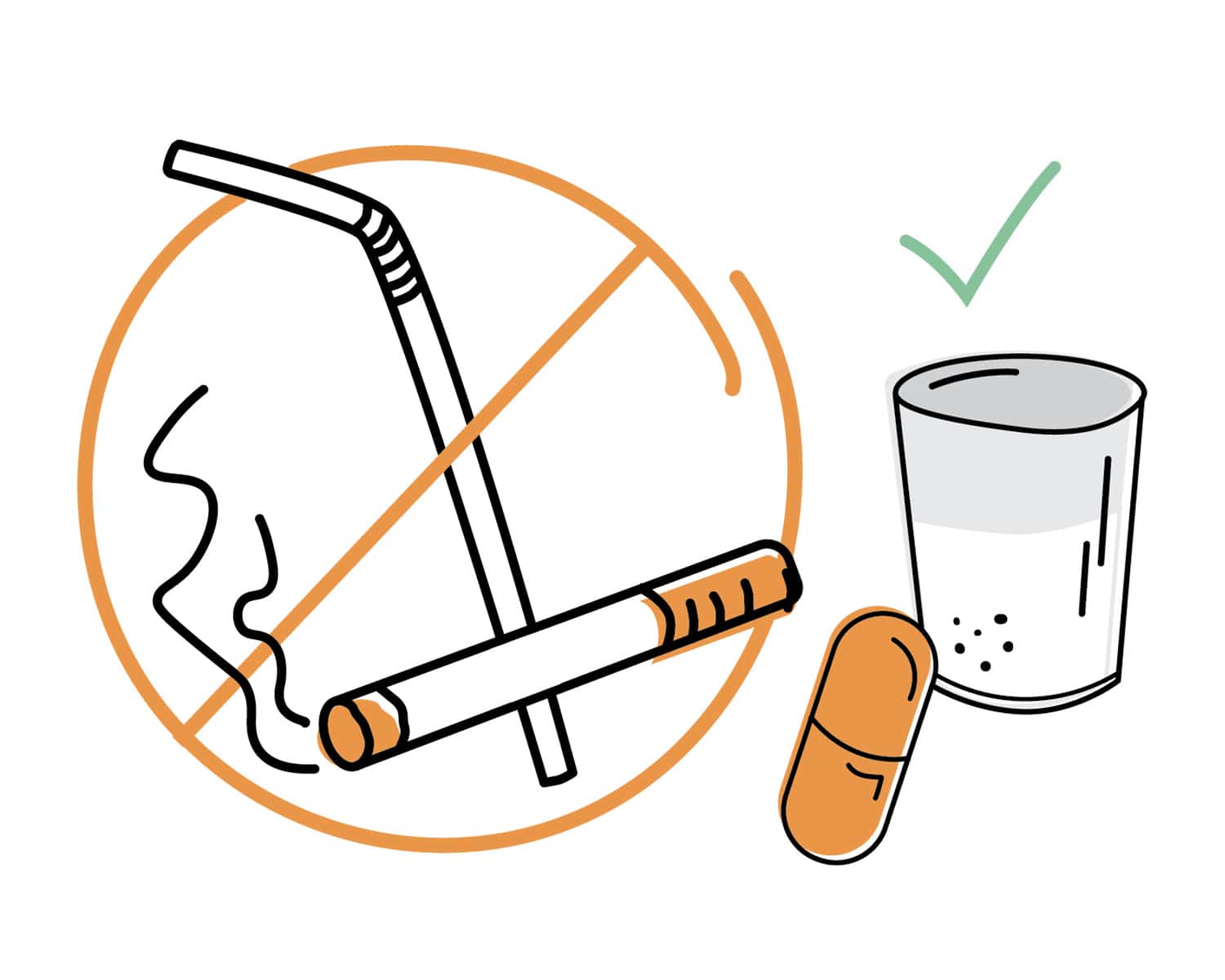
For the next few days, treat the area gently. Don’t use straws, vape, or smoke—and avoid forceful rinsing or spitting—all of which can loosen the dressing and prevent healing. Instead, rinse lightly with salt water as directed by your dentist. Take pain medicine exactly as prescribed and leave the dressing alone until your follow-up appointment. You should also stick to soft, cool foods and chew on the opposite side of your mouth. Sleep with your head a bit elevated and keep your fingers and tongue away from the area. These simple steps help protect the site, so you feel better faster.
Benefits of Professional Dry Socket Treatment
Professional dry socket care goes beyond relieving pain. It creates the right conditions for your mouth to heal. The right treatment protects sensitive tissue, reduces swelling, and keeps the area clean, allowing your body to repair itself. With your pain under control, you can eat, sleep, and function more comfortably, which supports a faster recovery. Prompt attention also reduces the risk of infection and helps keep healing on track. Regular follow-ups allow your dentist to monitor your progress, make any necessary adjustments, and address concerns promptly so that you can return to your usual routine with confidence.
Dry Socket Follow-Up and Healing Timeline
Most people start feeling much better within a day or two after their first treatment. Your dentist might replace the dressing every few days until the pain stays mild and the area is healing, which usually happens in the first couple of visits. The soreness should keep easing over the next several days, with full healing taking a week or two. Call your dentist right away if the pain gets worse, or if you notice ongoing bad taste, odor, swelling, or fever. These can be signs you need to be seen sooner, or your treatment needs to be adjusted.
Types of Dry Socket Services We Offer
- Same-day dry socket treatment
- Gentle cleaning of the area
- Medicated dressing applied or replaced
- Advice for managing pain
- Antibiotics if needed
- Check-ins to track healing
Find Dry Socket Treatment Near You
If your pain is severe, don’t wait. Find dry socket treatment with an emergency appointment near you.
Frequently Asked Questions
What’s a dry socket and how do I know I have one?
A dry socket is when the bone and nerves are exposed after a tooth pull, because the protective clot is gone. You’ll likely feel strong, throbbing pain that can spread to nearby areas of your head, sometimes with a bad taste, smell, or even a fever.
When can it start?
Most often 2–4 days after a tooth extraction, but sometimes sooner or a bit later.
How fast does treatment help?
Many people feel better even before leaving the dentist’s office, with more relief in a day or two.
Can I fix it at home?
Not usually. Professional cleaning and medicated dressings are the safest and fastest option.
What will the dentist do?
Check the area, clean it gently, apply a soothing dressing, prescribe pain and/or antibiotic medication, and plan follow-up appointments.
Can a dry socket lead to infection if untreated?
Yes. Ongoing pain, swelling, or fever means you should call us right away.
Do I always need antibiotics?
No. They’re only given if there’s an infection.
Will I need more than one visit?
Often yes, usually every few days until the pain stays mild and healing looks good.
When will healing get back on track?
Usually within a few days of starting treatment, with steady improvement over one to two weeks.
What should I avoid while healing?
No smoking, vaping, straws, hard swishing, spitting, or touching the site with your tongue or fingers.
Will dry socket treatment affect future tooth removals?
Not usually, but inform your dentist about past treatments, so they can protect the clot better next time.
Related Information

Should You Go to the ER for Tooth Pain? A Quick Guide
Whether you should go to the ER for tooth pain depends on the severity of your pain and what other symptoms you’re experiencing. Read on for help deciding how to find relief.

How to Stop Bleeding After Tooth Extraction: Easy Tips for Immediate Relief
After a tooth extraction, some bleeding at the site is normal and will usually slow down within 2-3 hours. Gentle oozing (think pink saliva) will often continue for the first 24 hours. Below you’ll find tips for helping to stop the bleeding, and how to tell the difference between normal recovery and signs that you should call your dentist.

Why Does My Tooth Hurt at Night? 5 Possible Reasons and What You Can Do Right Now
Dental problems often feel more painful at night because lying down increases blood flow to the head, which heightens pressure and sensitivity. Other common causes include increased sinus pressure and unconscious jaw clenching and teeth grinding. While the long-term solution may require a visit to the dentist, there are measures you can take immediately to get some relief.